
Anime Industry News
Studio Ghibli: A Journey Through Animation Excellence
Dec
The Birth of a Legend: Studio Ghibli’s Inception
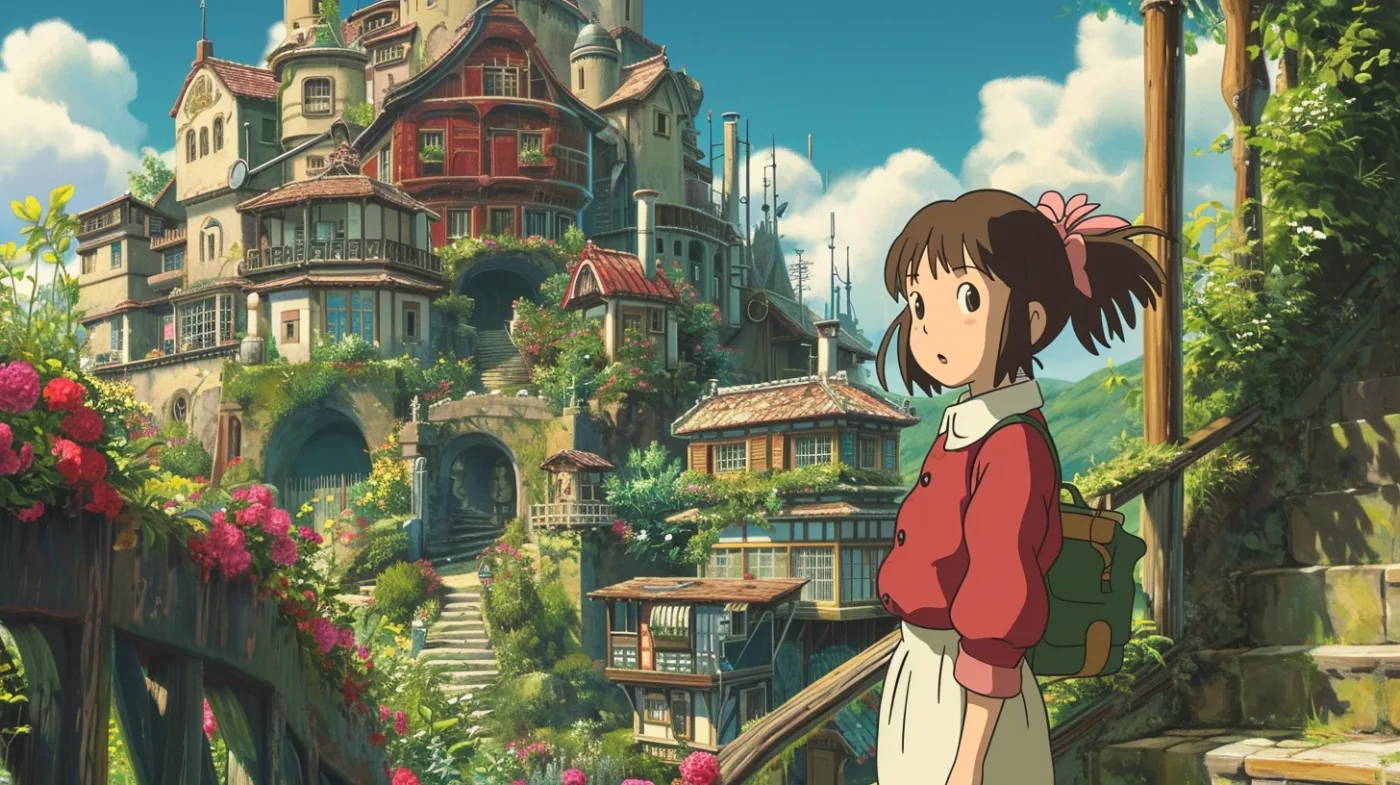
Studio Ghibli, a name that resonates with awe and admiration in the world of animation, was founded in 1985 in the bustling city of Tokyo, Japan. More than just an animation studio, Ghibli emerged as a narrative powerhouse, renowned for its visually stunning and emotionally rich films. Named after an Italian scouting airplane, the studio symbolized the founders’ ambition to revolutionize the Japanese anime industry and make a significant impact globally.
Visionaries Behind the Magic: Miyazaki, Takahata, and Suzuki
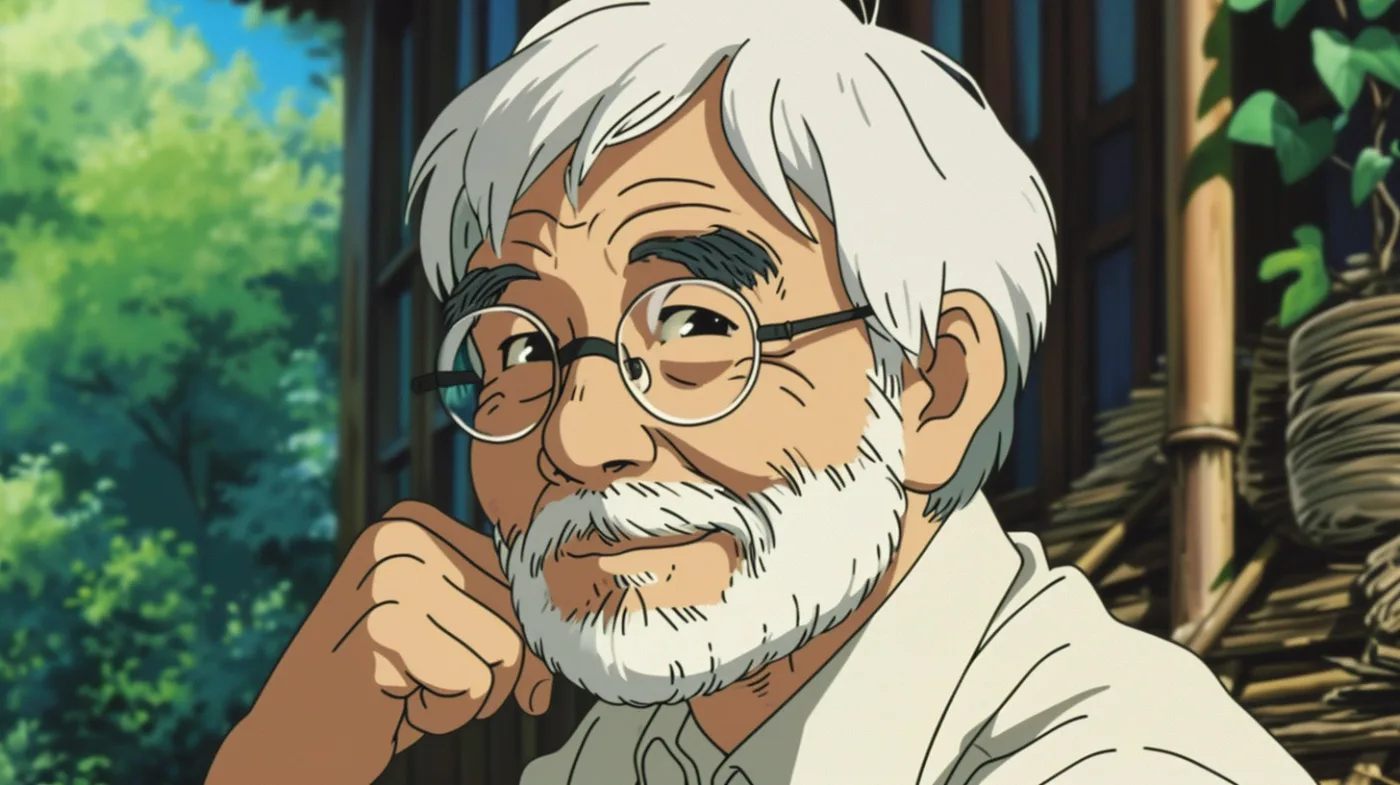
At the core of Studio Ghibli’s establishment were three visionary men: Hayao Miyazaki, Isao Takahata, and Toshio Suzuki. Hayao Miyazaki, a maestro of imagination and storytelling, became the face of the studio, renowned for his compelling narratives and enchanting characters. Isao Takahata, offering a distinct and often more realistic narrative style, provided a perfect counterbalance to Miyazaki’s fantastical realms. Toshio Suzuki, the adept producer, was instrumental in translating these creative visions into global cinematic successes. This triumvirate of talent propelled Studio Ghibli into the limelight, redefining the parameters of what animation could achieve.
Redefining Animation: Studio Ghibli’s Global Impact
Studio Ghibli’s impact on the anime industry has been profound and far-reaching. Their films transcend cultural and language barriers, captivating audiences across all ages around the world. With a steadfast commitment to traditional hand-drawn animation, the studio stands as a bastion of classic artistry in an era increasingly dominated by computer-generated imagery. Their exploration of complex themes, from environmentalism to the nuances of the human spirit, elevates their films beyond mere entertainment to works of profound artistic expression. As we embark on this journey through the magical world of Studio Ghibli, we uncover the depths of their creativity, the richness of their storytelling, and the enduring legacy they continue to build in the world of cinema.
The Genesis of Studio Ghibli
Early Careers: Miyazaki and Takahata’s Path to Ghibli
Before the inception of Studio Ghibli, Hayao Miyazaki and Isao Takahata followed unique and diverse paths in the world of animation. Their individual journeys would eventually converge to create the animation powerhouse we know today.

Hayao Miyazaki: A Visionary in the Making
Hayao Miyazaki’s fascination with animation began at a young age. Born in 1941, he grew up in post-war Japan, an era when the country was rebuilding itself. This period of transformation deeply influenced Miyazaki’s worldview and storytelling. He started his career at Toei Animation, where he worked on iconic series like “Future Boy Conan” and “Future Boy Conan.” These experiences honed his skills and allowed him to develop a distinctive style characterized by imaginative worlds, complex characters, and profound themes.
Miyazaki’s early work on “Nausicaä of the Valley of the Wind,” a manga series he wrote and illustrated, laid the foundation for his future endeavors. The success of the manga paved the way for its adaptation into an animated film, directed by Miyazaki himself. This project marked a turning point in his career and led to the birth of Studio Ghibli’s ethos—a commitment to crafting compelling narratives that resonate with both children and adults.
Isao Takahata: A Different Narrative Perspective
Isao Takahata, Miyazaki’s close collaborator and friend, embarked on a distinctive narrative journey. Takahata’s career began at Toei Animation, where he directed series like “Heidi, Girl of the Alps” and “Anne of Green Gables.” Unlike Miyazaki’s fantastical style, Takahata’s approach was rooted in realism and social commentary. His ability to address complex themes and portray human emotions with depth set him apart in the animation landscape.
The Formation of Studio Ghibli (1985)
The year 1985 marked a pivotal moment in animation history when Studio Ghibli officially came into existence. The studio was established with a mission to create animated films that transcended the boundaries of traditional children’s entertainment. Hayao Miyazaki and Isao Takahata’s collaboration was the driving force behind this endeavor. Their shared passion for storytelling and their contrasting narrative styles would create a unique blend of creativity.
Studio Ghibli’s establishment was marked by the release of their first feature film, “Laputa: Castle in the Sky,” directed by Miyazaki. This film exemplified the studio’s commitment to visual excellence and storytelling depth. “Laputa” introduced audiences to Ghibli’s signature animation style and imaginative worlds, setting the stage for future masterpieces.
The Vision and Mission of Studio Ghibli
Studio Ghibli’s vision and mission were clear from the outset. They aimed to produce animated films that could be cherished by viewers of all ages, exploring profound themes while captivating the imagination. Their commitment to hand-drawn animation, at a time when CGI was on the rise, was a testament to their dedication to the craft.
The studio’s early films, including “My Neighbor Totoro” and “Grave of the Fireflies,” exemplified this mission. While Miyazaki’s works celebrated the wonders of childhood and the magic in everyday life, Takahata’s films delved into the harsh realities of war and the human condition. Together, these films showcased Studio Ghibli’s versatility and commitment to storytelling that transcends the boundaries of traditional animation.
In the heart of Tokyo, Studio Ghibli embarked on a journey to redefine animation, and with their early successes, they would set the stage for a legacy that continues to enchant and inspire audiences worldwide.
The Artistic Style of Studio Ghibli
Unveiling the Magic: Analyzing Ghibli’s Unique Animation Style
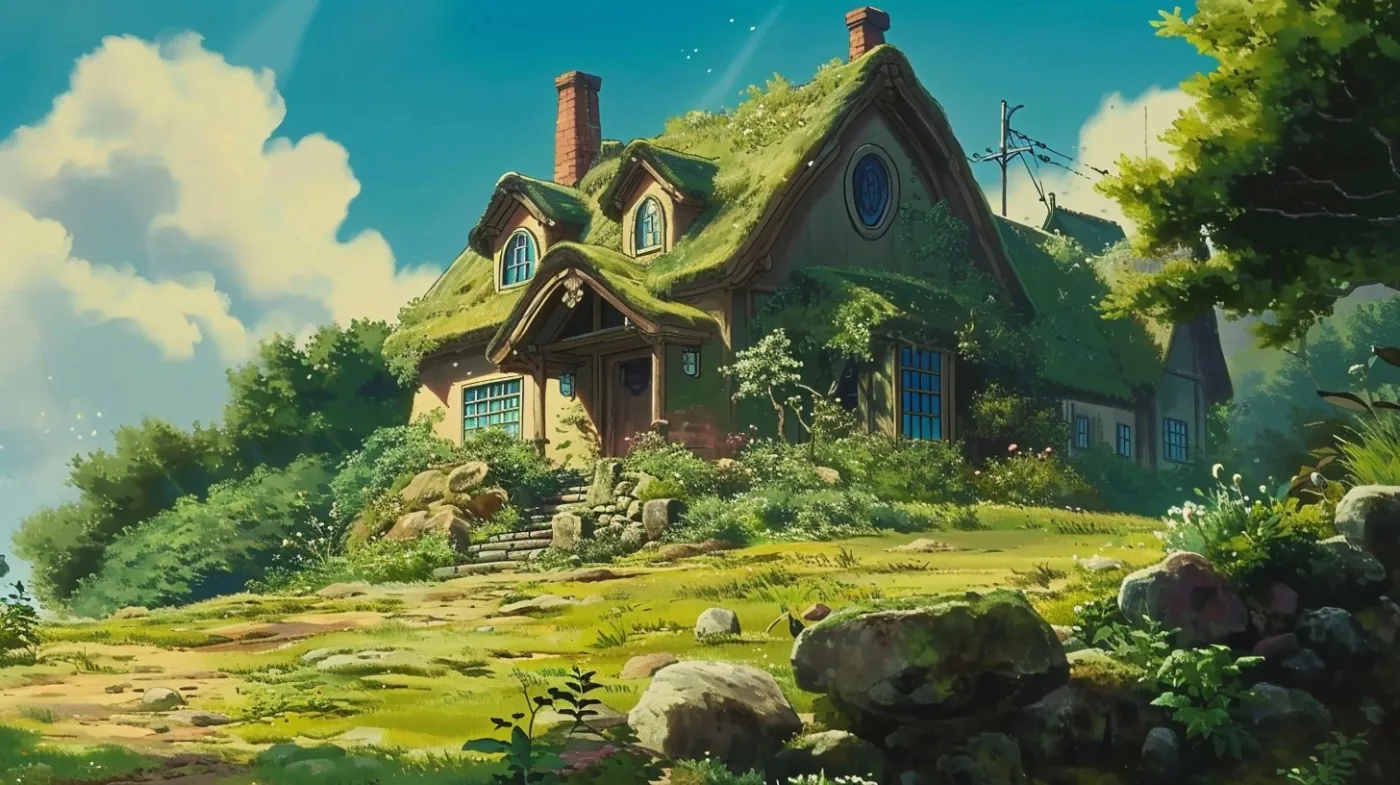
Studio Ghibli’s animation style is nothing short of enchanting. It’s a hallmark that sets their films apart and has garnered admiration from animation enthusiasts worldwide. Let’s dive into the elements that define this distinctive style.
A Symphony of Details
One of the defining characteristics of Ghibli’s animation is its meticulous attention to detail. Whether it’s the intricate patterns on clothing, the texture of nature, or the mesmerizingly fluid character movements, every frame is a work of art. This commitment to detail enhances the storytelling, immersing viewers in the worlds they create.
Expressive Character Design
Ghibli’s characters are designed with a certain realism and expressiveness that sets them apart. Their eyes, in particular, are known for their depth and ability to convey emotions. This attention to character design allows the audience to connect with the animated figures on a profound level.
Captivating Environments
The studio’s ability to create breathtaking landscapes and environments is unparalleled. From the lush forests of “Princess Mononoke” to the floating city in “Castle in the Sky,” Ghibli’s worlds are not just settings; they’re characters in their own right. The attention to environmental design adds depth and dimension to the stories being told.
The Role of Hand-Drawn Techniques
In an era where computer-generated imagery (CGI) dominates the animation landscape, Studio Ghibli remains steadfast in its commitment to hand-drawn techniques. This dedication to the traditional craft of animation is a defining feature of the studio’s work.
The Human Touch
Hand-drawn animation is a labor-intensive process that requires the touch of human hands at every stage. Ghibli’s artists meticulously sketch, paint, and animate each frame, infusing it with a sense of humanity and warmth. This tangible connection between artist and artwork is palpable in every Ghibli film.
Timeless Aesthetic
The hand-drawn approach contributes to the timeless aesthetic of Ghibli’s films. They eschew the glossy, hyper-realistic look of CGI in favor of a more organic and painterly style. This choice not only pays homage to the rich history of animation but also ensures that Ghibli’s films don’t age visually, remaining as captivating today as they were when first released.
The Influence of Japanese Culture and Folklore
Ghibli’s storytelling is deeply rooted in Japanese culture and folklore, infusing their films with a sense of authenticity and cultural richness.
Shinto and Nature
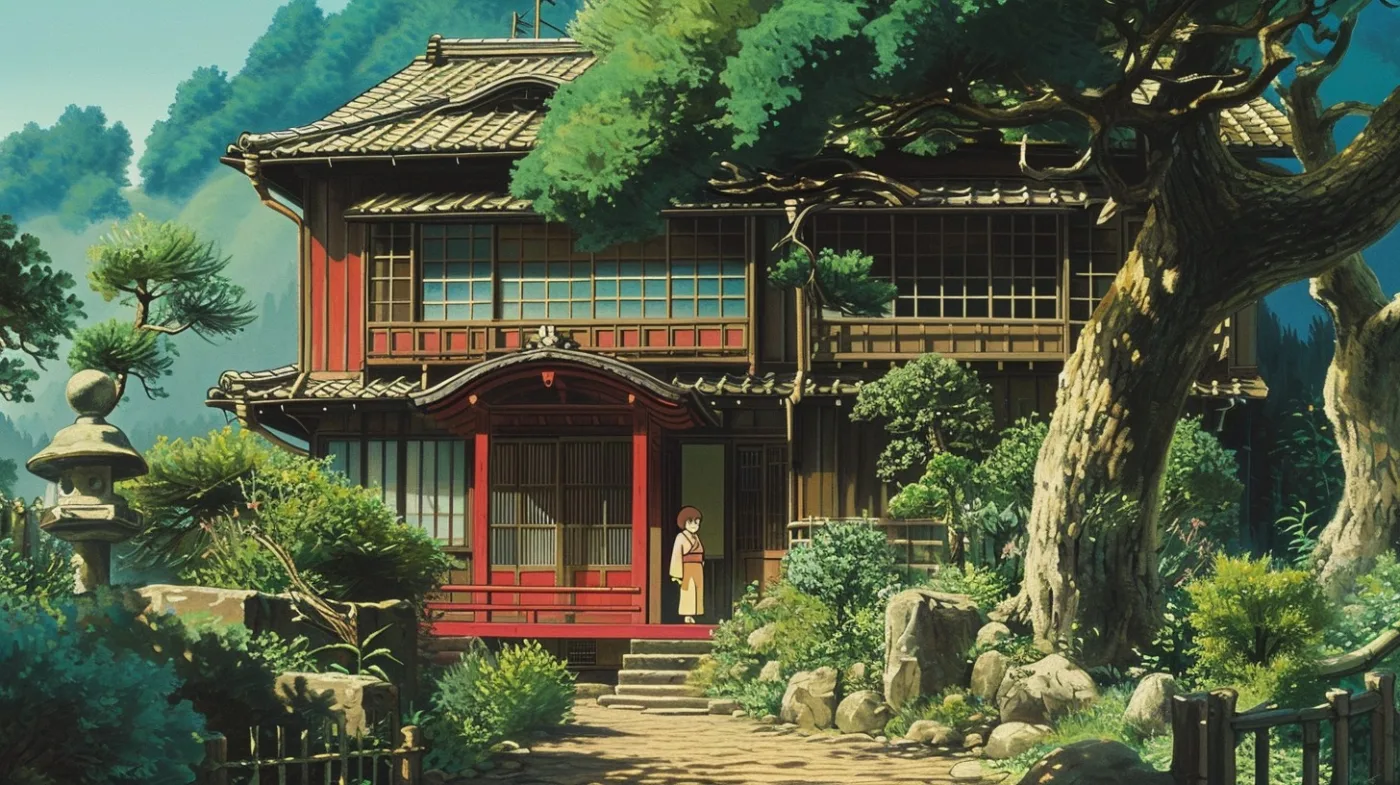
Shinto, Japan’s indigenous religion, celebrates the sacredness of nature. This reverence for the natural world is evident in Ghibli’s films, where forests, spirits, and elemental forces play central roles. Films like “My Neighbor Totoro” and “Princess Mononoke” beautifully weave Shinto themes into their narratives.
Folklore and Mythology
Japanese folklore and mythology are a treasure trove of inspiration for Ghibli. Creatures like Totoro, inspired by traditional spirits, and settings like the bathhouse in “Spirited Away,” influenced by Japanese onsen culture, showcase the studio’s deep connection to their cultural roots.
Iconic Films and Their Themes
“My Neighbor Totoro”: The Wonder of Childhood

A World of Innocence
“My Neighbor Totoro” is a masterpiece that captures the essence of childhood wonder and imagination. Directed by Hayao Miyazaki, the film invites viewers into the enchanting world of two young sisters, Satsuki and Mei, as they move to the countryside with their father. The heart of the film lies in its portrayal of the sisters’ adventures and their encounters with the magical forest spirits, particularly the iconic Totoro.
The Magic of Discovery
At its core, “My Neighbor Totoro” celebrates the unbridled curiosity and innocence of childhood. Satsuki and Mei’s exploration of their new surroundings mirrors the way children perceive the world—a place filled with mysteries waiting to be uncovered. From the discovery of the acorn spirits to the encounter with Totoro himself, every moment is imbued with a sense of awe and enchantment.
Totoro as a Symbol
Totoro, the titular character, embodies the wonder and magic of childhood. He is a gentle and mysterious forest spirit who becomes a symbol of comfort and companionship for the young sisters. Totoro’s presence reassures them during their mother’s illness and becomes a source of solace during moments of uncertainty. He represents the belief that there is magic in the everyday world if one looks with an open heart.
Themes of Family and Resilience
Beyond its celebration of childhood wonder, “My Neighbor Totoro” also explores themes of family and resilience. The film beautifully portrays the bond between Satsuki and Mei and their unwavering love for their mother. It showcases the family’s ability to find strength and joy even in the face of adversity, ultimately leaving viewers with a profound sense of warmth and hope.
Spirited Away: Coming-of-Age and Cultural Symbolism
A Journey of Transformation
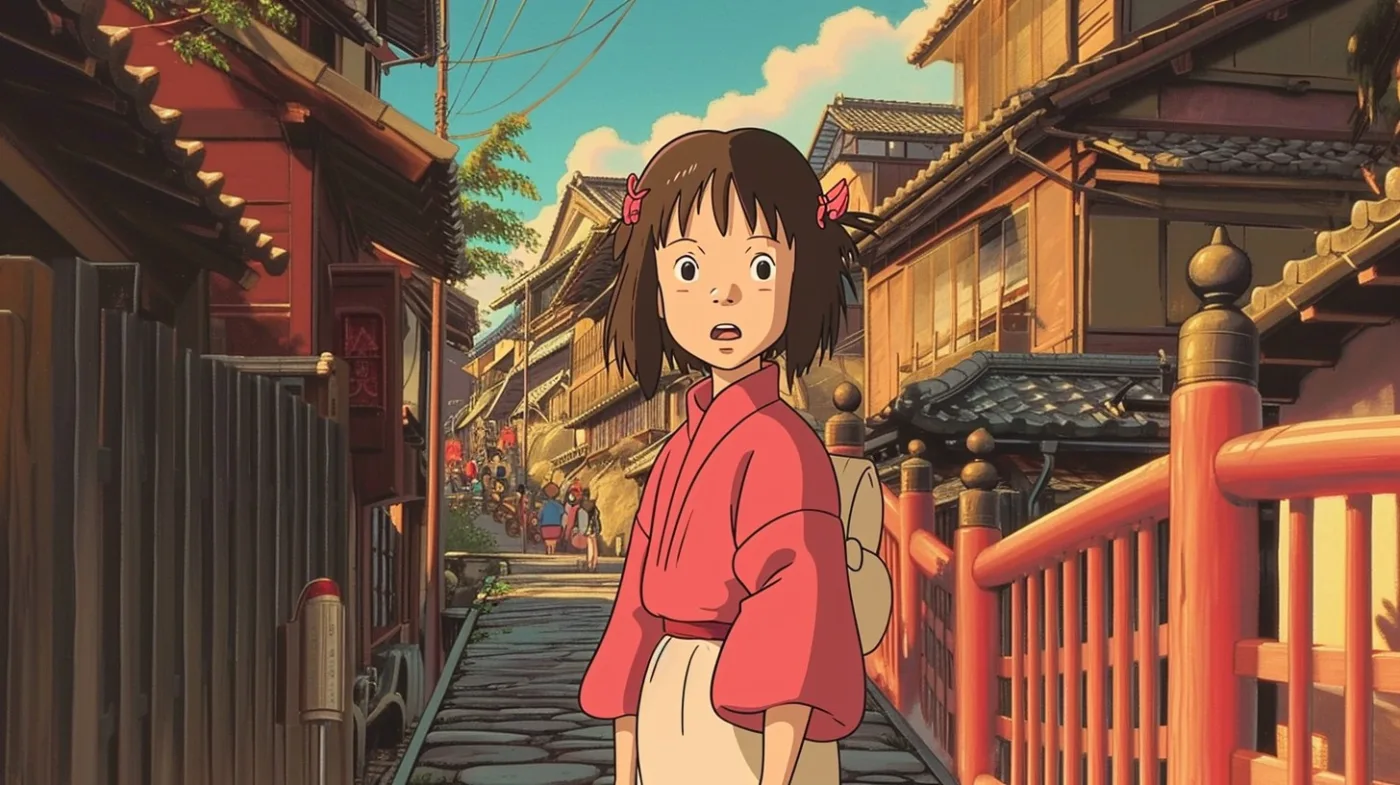
Spirited Away directed by Hayao Miyazaki, is a coming-of-age masterpiece that takes viewers on a mesmerizing journey of self-discovery and growth. The film follows Chihiro, a young girl who becomes trapped in a mysterious and otherworldly bathhouse after her parents undergo a transformation into pigs. Her quest to rescue her parents and find her way back home becomes a metaphorical voyage into the complexities of adulthood.
Cultural Richness and Symbolism
One of the remarkable aspects of Spirited Away is its rich tapestry of cultural symbolism. The bathhouse, where much of the film’s action takes place, is a reflection of Japanese onsen culture, replete with spirits and gods inspired by Shinto beliefs. The film weaves these cultural elements seamlessly into its narrative, creating a world that feels simultaneously foreign and familiar.
Chihiro’s Transformation
Chihiro’s character arc is central to the film’s themes. At the beginning of her journey, she is a timid and fearful girl. However, as she encounters a myriad of strange and sometimes menacing spirits, she begins to find her inner strength and resilience. Her transformation from a scared child to a confident young woman is a testament to the coming-of-age theme that runs throughout the film.
A Reflection of Growing Up
“Spirited Away” also serves as a reflection of the challenges and uncertainties that come with growing up. Chihiro’s journey into the spirit world can be seen as a metaphor for the transition from childhood to adolescence. The film explores the loss of innocence, the need to adapt to new environments, and the discovery of one’s identity in the face of adversity.
The Power of Friendship
Throughout her journey, Chihiro forms meaningful connections with various characters, including the enigmatic Haku and the quirky No-Face. These relationships emphasize the importance of friendship and empathy in the process of maturation. Chihiro’s ability to understand and connect with these characters plays a crucial role in her personal growth.
“Princess Mononoke”: Environmentalism and Human Conflict
A Tale of Harmony and Discord
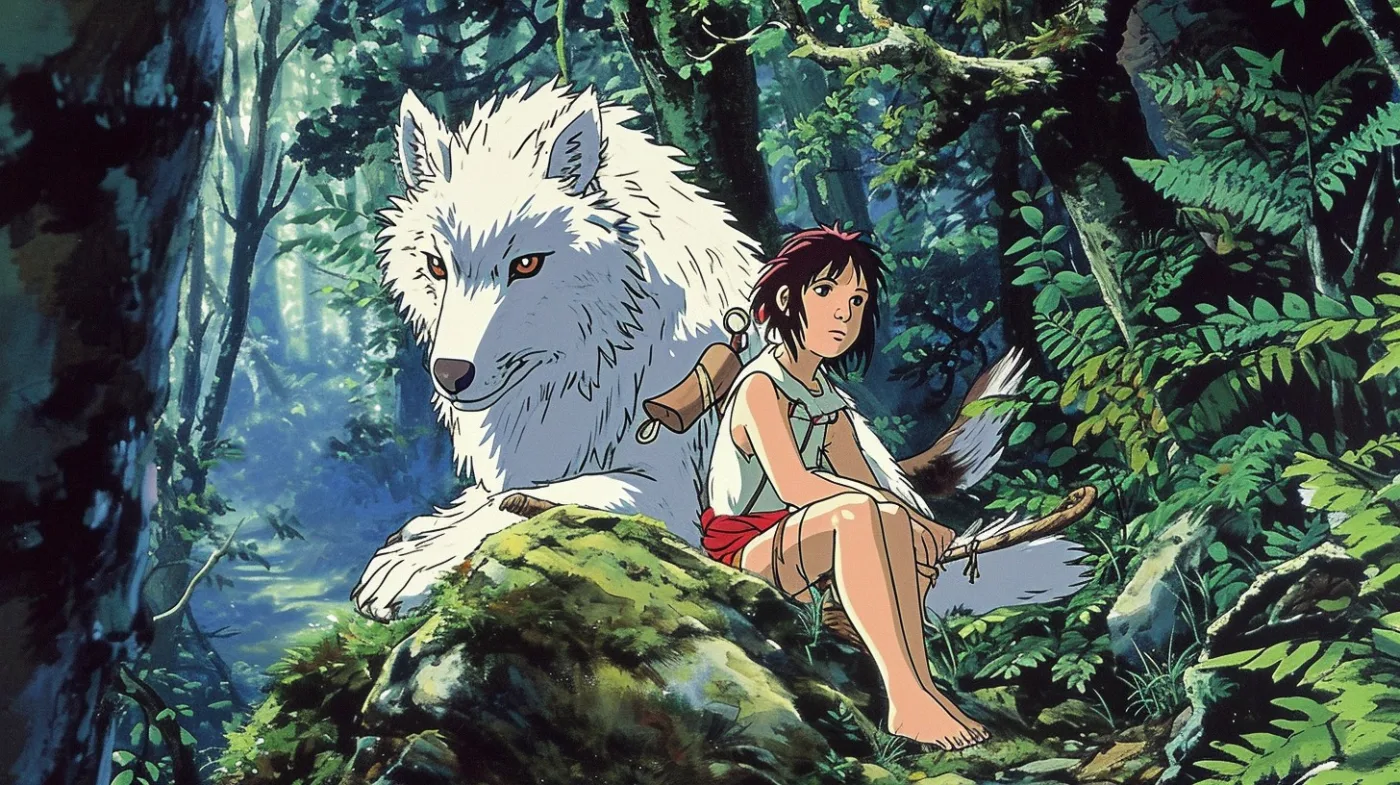
Princess Mononoke, directed by Hayao Miyazaki, stands as a powerful exploration of environmentalism and human conflict. Set in a lush, mystical forest inhabited by gods and spirits, the film delves into the complex relationships between humans, nature, and the supernatural.
The Battle for Nature
At the heart of Princess Mononoke lies a fierce battle between the forces of industrialization and the sanctity of the natural world. The film introduces viewers to the titular character, San, a human raised by wolves, who becomes a symbol of the forest’s resistance against the encroaching human development. The forest itself is depicted as a living, breathing entity, and its destruction by the Iron Town represents the relentless march of progress.
Environmentalism as a Central Theme
Miyazaki’s environmental message in Princess Mononoke is clear: the consequences of unchecked industrialization and human greed are devastating. The film challenges viewers to confront the destructive impact of human activities on the natural world, echoing real-world environmental concerns. It calls for a harmonious coexistence between humanity and nature.
The Complexity of Human Conflict
While Princess Mononoke highlights the environmental themes, it also delves into the complexities of human conflict. The characters in the film are not one-dimensional villains or heroes. Instead, they grapple with their own motivations and beliefs, leading to moral ambiguity and shades of gray. This nuanced portrayal of human nature adds depth to the narrative, emphasizing that conflict is often rooted in differing perspectives rather than pure malevolence.
Other Notable Works: Howl’s Moving Castle and Kiki’s Delivery Service

Howl’s Moving Castle: A Tale of Transformation
Directed by Hayao Miyazaki, Howl’s Moving Castle is a spellbinding journey into a world of magic, love, and transformation. The film follows Sophie, a young woman who is cursed to become an elderly lady and seeks refuge in the enigmatic Howl’s moving castle. Themes of identity, self-acceptance, and the consequences of war are intricately woven into the narrative. The film’s striking visuals and imaginative storytelling make it a beloved addition to the Ghibli canon.
Kiki’s Delivery Service: The Quest for Independence
Directed by Hayao Miyazaki, Kiki’s Delivery Service is a heartwarming coming-of-age story that centers on a young witch named Kiki. As she embarks on a journey to find her place in the world, the film explores themes of self-discovery, independence, and the challenges of adolescence. Kiki’s determination to become the best witch she can be, coupled with her encounters with diverse characters, make this film a delightful and inspiring exploration of growing up.
The Influence of Hayao Miyazaki
Miyazaki’s Creative Process and Storytelling
The Mind of a Maestro
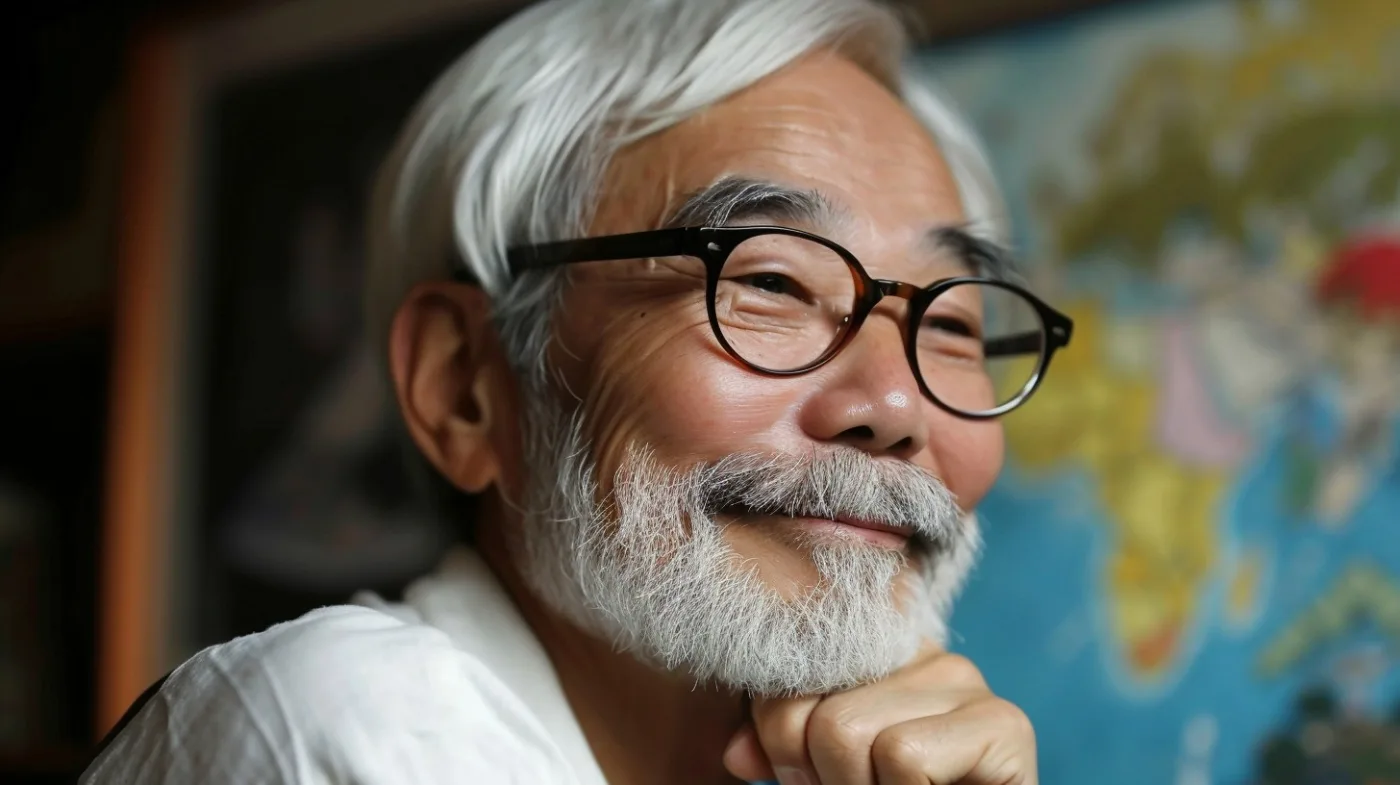
Hayao Miyazaki, often regarded as a maestro of animation, possesses a creative process that is as unique as it is brilliant. His storytelling ability transcends the boundaries of traditional animation, making him a revered figure in the world of cinema.
The Art of Observation
Miyazaki’s creative journey begins with keen observation. He is known for meticulously studying the world around him, from the movements of animals to the intricacies of nature. This commitment to detail allows him to infuse his films with a sense of realism and authenticity.
Crafting Complex Characters
One of Miyazaki’s hallmarks is his ability to create complex and relatable characters. Whether it’s the determined Chihiro from “Spirited Away” or the adventurous Nausicaä from “Nausicaä of the Valley of the Wind,” his characters resonate with audiences on a profound level. Their multifaceted personalities and growth throughout the narratives make them unforgettable.
Embracing Ambiguity
Miyazaki’s storytelling often embraces ambiguity and moral complexity. His narratives avoid simplistic dichotomies of good and evil, instead exploring the nuances of human nature and the consequences of our actions. This approach challenges viewers to think critically and engage with the material on a deeper level.
His Influence on the Anime Industry
A Trailblazer in Animation
Hayao Miyazaki’s influence on the anime industry is immeasurable. His works have not only garnered critical acclaim but have also reshaped the landscape of animation.
Elevating the Medium
Miyazaki’s dedication to hand-drawn animation in an era of CGI dominance showcases his commitment to preserving the art form’s traditional roots. His insistence on the tangible connection between artists and their work has inspired a resurgence of interest in hand-drawn animation.
A Global Ambassador
Miyazaki’s films have transcended borders, captivating audiences around the world. Their universal themes and emotional resonance have introduced countless viewers to the world of anime. His success has paved the way for greater recognition of Japanese animation on the global stage.
Nurturing Future Talent
Miyazaki’s influence extends beyond his own films. He has mentored and inspired a new generation of animators and storytellers, passing down his passion and wisdom. This mentorship ensures that his legacy will continue to shape the industry for years to come.
Comparison with Other Animation Legends
Miyazaki vs. Disney: Unique Approaches
While Hayao Miyazaki and Walt Disney both hold legendary status in animation, their approaches are distinct. Disney’s fairy tales often follow a familiar formula, whereas Miyazaki’s narratives are marked by ambiguity and philosophical depth. Both have left an indelible mark on animation, but their styles and themes diverge.
Miyazaki vs. Pixar: Crafting Emotion
Pixar, known for its innovative storytelling and emotional depth, shares some similarities with Miyazaki’s work. Both prioritize character development and explore complex themes. However, Miyazaki’s films often delve into darker and more introspective territory, challenging conventional norms.
Legacy of Innovation
In the realm of animation legends, Hayao Miyazaki’s legacy is defined by innovation. His ability to push the boundaries of storytelling and animation techniques sets him apart. While others have made significant contributions, Miyazaki’s impact on the medium remains unparalleled.
Studio Ghibli in the International Arena
Global Reception and Success
A Worldwide Phenomenon
Studio Ghibli’s enchanting films have transcended cultural boundaries and achieved widespread acclaim on the international stage. The studio’s commitment to universal themes and emotionally resonant storytelling has garnered a global fanbase.
Critical Acclaim
Ghibli’s films consistently receive critical acclaim, with many becoming instant classics. Works like “Spirited Away” and “My Neighbor Totoro” have not only earned prestigious awards but have also captured the hearts of audiences across the world. Their universal appeal lies in their ability to touch on themes that transcend language and culture.
Collaborations and Distribution, including Disney Partnership
A Strategic Partnership with Disney
Studio Ghibli’s collaboration with Disney played a pivotal role in introducing their films to Western audiences. Disney provided dubbing and distribution services, making Ghibli’s works more accessible to English-speaking viewers. This partnership has been instrumental in the studio’s international success.
Expanding Reach
The collaboration with Disney allowed Ghibli’s films to reach a wider audience through theatrical releases and home video distribution. This increased visibility helped the studio gain a strong foothold in the international market, attracting viewers of all ages.
Maintaining Cultural Integrity
Despite international distribution, Studio Ghibli remains committed to preserving the cultural and artistic integrity of their films. They have maintained high-quality English dubs and translations while staying true to the original Japanese versions. This dedication to authenticity has resonated with audiences who appreciate the artistry of Ghibli’s work.
Influence on Western Animation
Shaping Western Animation
Studio Ghibli’s impact on Western animation cannot be overstated. Their films have influenced both emerging and established animators and storytellers in the West. The studio’s emphasis on character-driven narratives and the exploration of complex themes has inspired a new generation of animators.
Aesthetic and Storytelling Inspirations
Ghibli’s unique animation style, marked by attention to detail and emotional depth, has influenced Western animation studios. Elements such as expressive character design, intricate world-building, and hand-drawn techniques have found their way into Western animated productions.
Raising the Bar
Studio Ghibli’s success has set a high bar for Western animation in terms of storytelling complexity and artistic innovation. The studio’s ability to address profound themes while captivating audiences of all ages has challenged Western animators to create works that resonate on a deeper level.
Challenges and Evolution of Studio Ghibli
The Studio’s Response to the Changing Animation Industry
Adapting to a Dynamic Landscape
Studio Ghibli, known for its commitment to traditional hand-drawn animation, faced challenges in the changing animation industry. The rise of digital animation and new storytelling formats presented both opportunities and obstacles.
Embracing New Technologies
Recognizing the need for evolution, Ghibli began to embrace digital animation techniques. Films like “From Up on Poppy Hill” and “The Red Turtle” incorporated digital elements while maintaining the studio’s signature hand-drawn aesthetic. This adaptation allowed Ghibli to explore new visual possibilities.
Preserving the Essence
Despite the transition to digital tools, Ghibli remained dedicated to preserving the essence of their storytelling. The studio’s commitment to rich character development, intricate world-building, and emotionally resonant narratives remained unwavering.
New Generations of Directors and Artists at Studio Ghibli
Passing the Torch
As founding members of Studio Ghibli, Hayao Miyazaki and Isao Takahata took on mentorship roles, nurturing a new generation of directors and artists. This passing of the torch ensured the continuation of Ghibli’s legacy.
Emerging Talent
Directors like Hiromasa Yonebayashi and Goro Miyazaki, alongside a talented pool of artists, have brought fresh perspectives to Ghibli’s work. Their contributions have expanded the studio’s creative horizons while staying true to its core values.
Diverse Storytelling Voices
The inclusion of new voices has enriched Ghibli’s storytelling. Films like “When Marnie Was There” and “The Tale of the Princess Kaguya” reflect a diversity of themes and artistic styles, demonstrating the studio’s commitment to exploring a wide range of narratives.
In conclusion, Studio Ghibli’s response to the changing animation industry through the embrace of digital techniques and the emergence of new generations of directors and artists reflects the studio’s adaptability and commitment to storytelling excellence. While facing challenges, Ghibli has continued to evolve while preserving its core values, ensuring that its legacy will endure for years to come.