
Character Analysis
Sasuke Uchiha: a Complex Avenger in the World of Naruto

Dec
Overview: Unraveling the Legend of a Rogue Ninja
Sasuke Uchiha, a name that resonates with power and mystery in the Naruto universe, stands as a central figure in one of the most influential anime series of all time. Introduced as a prodigious talent with a troubled past, Sasuke’s journey through the narrative landscape of Naruto is as tumultuous as it is captivating. His character is not just a mere addition to the storyline but a pivotal element that drives the narrative forward, influencing both the plot and the development of other characters.
The Role of Sasuke in “Naruto”: A Dual Force of Heroism and Antagonism
Sasuke’s significance in Naruto extends far beyond his role as a member of Team 7. His complex relationship with the protagonist, Naruto Uzumaki, and the rest of the cast creates a dynamic interplay of emotions and ideologies. Sasuke’s quest, marked by the loss of his family and his thirst for vengeance, presents a stark contrast to Naruto’s ideals, adding depth and tension to the story. His evolution from a revenge-driven loner to a figure seeking atonement is a testament to the series’ narrative strength.
The Enigma of Sasuke Uchiha
This article aims to explore the intricate layers of Sasuke Uchiha’s character, delving into his psychological makeup, motivations, and the impact he has had on Naruto and the broader anime landscape. Sasuke is not just a character; he is a symbol of the complexities of human nature, embodying themes of loss, revenge, and the arduous path to redemption. His story is a poignant representation of the struggle between darkness and light, making him a character that not only defines the essence of Naruto but also leaves a lasting imprint on the fabric of anime storytelling.
Background: The Genesis of Sasuke Uchiha
Creation and Conceptualization: The Birth of a Complex Character

Masashi Kishimoto, the mastermind behind Naruto, conceived Sasuke Uchiha as a vital counterpart to the series’ titular character, Naruto Uzumaki. Kishimoto’s intention was to create a cool and aloof character who would act as a rival to Naruto, propelling both characters’ development. Sasuke’s creation was influenced by Kishimoto’s desire to explore the themes of rivalry and companionship in a ninja setting. The character of Sasuke was designed to be enigmatic and multifaceted, with a backstory steeped in tragedy and darkness. This complexity was intended to add a deeper layer of intrigue and emotion to the Naruto universe.
Kishimoto drew inspiration from various sources when creating Sasuke. The character’s name and some aspects of his personality were influenced by the legendary Japanese folk hero Sarutobi Sasuke, a ninja known for his exceptional skills and loyalty. Additionally, Sasuke’s quest for revenge and his complex relationship with his brother, Itachi, reflect traditional themes in Japanese storytelling, particularly the concepts of honor, duty, and familial bonds.
Character Design: The Evolution of an Icon
Sasuke’s visual design underwent several changes throughout the series, reflecting his internal development and the shifts in his storyline. Initially, Sasuke was depicted with a simple and straightforward design, featuring a traditional ninja garb and a calm, composed demeanor. This design was intended to contrast with Naruto’s more flamboyant appearance and boisterous personality. Sasuke’s early design featured his clan’s symbol – the Uchiha crest – on his back, signifying his deep connection to his family’s legacy and the burden of his past.

As the series progressed, Sasuke’s appearance evolved to mirror his emotional and narrative journey. His attire and overall look became darker and more complex, symbolizing his descent into a quest for power and his struggle with the darker aspects of his nature. Notably, the introduction of the Sharingan and later, the Mangekyou Sharingan, added a distinctive and visually striking element to his character design, signifying his acquisition of formidable and forbidden powers.
The changes in Sasuke’s appearance were not just cosmetic; they were deeply tied to his character arc and the themes of the series. Kishimoto’s careful crafting of Sasuke’s look served to visually narrate the story of a young ninja consumed by vengeance and his eventual path towards understanding and redemption. Sasuke’s design became an integral part of his identity, making him one of the most recognizable and iconic characters in the anime world.
Early Life and Character Foundation: The Shadows That Shaped Sasuke Uchiha
Family and Clan: The Legacy of the Uchiha
The Uchiha clan, renowned throughout the ninja world for their extraordinary prowess in battle and their unique Sharingan eyes, forms the bedrock of Sasuke’s early life and identity. This prestigious clan, one of the founding families of Konohagakure (the Hidden Leaf Village), was celebrated for producing some of the most skilled and powerful shinobi in the ninja world. The Sharingan, a hereditary ocular power unique to the Uchiha, granted its wielders enhanced perception, the ability to copy enemy techniques, and access to powerful visual jutsu. Sasuke’s lineage within this clan set the stage for his prodigious talents and the high expectations placed upon him.

Sasuke’s family life was marked by the influential presence of his older brother, Itachi Uchiha, a genius ninja who was both a role model and an object of envy for Sasuke. Their father, Fugaku Uchiha, the head of the Uchiha clan, often focused more on Itachi, inadvertently fostering a sense of rivalry and inadequacy in young Sasuke. Despite this, Sasuke’s early life in the Uchiha clan was relatively happy and nurturing, surrounded by a loving family and a prestigious clan heritage.
Tragedy of the Uchiha Clan: The Night That Changed Everything
The Uchiha clan massacre, a pivotal event in Sasuke’s life, shattered his world and became the catalyst for his future choices and actions. This tragic night saw the annihilation of the entire Uchiha clan, executed by Sasuke’s beloved brother, Itachi. Itachi spared only Sasuke, leaving him alive in a world devoid of his family and clan. This massacre was not a simple act of fratricide but a complex event tied to the intricate political and social dynamics within Konohagakure and the ninja world.

The massacre’s impact on Sasuke was profound and multifaceted. It instilled in him a deep sense of loss, confusion, and an unquenchable thirst for revenge against Itachi. The event drastically altered Sasuke’s personality, turning him from a cheerful and affectionate child into a cold, distant, and revenge-driven individual. It also awakened in him the Sharingan, a symbol of his clan’s power and his deep emotional trauma.
The Uchiha clan massacre served as a turning point for Sasuke, propelling him onto a path of darkness and isolation. It fueled his desire to become stronger at any cost, driving him to seek power beyond the traditional bounds of a Konoha ninja. This tragedy not only shaped Sasuke’s character and motivations but also played a significant role in the broader narrative of the Naruto series, influencing the political landscape of the ninja world and the complex web of relationships among the main characters.
In essence, Sasuke’s early life, marked by the glory and downfall of the Uchiha clan, laid the groundwork for his journey through the Naruto series. It established the themes of loss, vengeance, and the search for identity that would define his character arc and resonate deeply with the series’ audience.
Role in “Naruto”: The Evolution of Sasuke Uchiha
Introduction and Early Appearances: The Prodigy of Konoha
Sasuke Uchiha’s introduction in Naruto establishes him as a gifted yet enigmatic ninja of Konohagakure. His debut is marked by a sense of mystique and competence, quickly garnering attention as a top contender among his peers. From the outset, Sasuke is depicted as cool, aloof, and supremely talented, often drawing admiration and envy from other young ninjas. His skills and demeanor set him apart, creating an aura of a young prodigy carrying a heavy burden.

In the early story arcs, Sasuke’s role is crucial in shaping the series’ direction. He is integral to key plot developments, particularly in missions that reveal his exceptional abilities and complex personality. Sasuke’s encounters with various antagonists, such as Orochimaru, begin to unfold the layers of his character, hinting at the darker path he will eventually tread. These early appearances also establish Sasuke’s deep-seated need for power and recognition, underscoring his internal struggles and his determination to avenge his clan.
Relationship with Naruto Uzumaki: A Bond of Rivals
The relationship between Sasuke and the series’ protagonist, Naruto Uzumaki, is one of the most dynamic and central elements of Naruto. Initially, Sasuke views Naruto as a nuisance, an underachiever who could not possibly understand his pain or ambitions. However, as they train, fight, and grow together as part of Team 7, a complex bond forms between them. They become fierce rivals but also unwitting friends, pushing each other to grow stronger and confront their inner demons.

Their relationship is a mix of competition, mutual respect, and deep-seated brotherly affection, albeit often unexpressed. Sasuke’s realization of Naruto’s loneliness and his own feelings of isolation creates a silent kinship between them. This relationship evolves into a central theme of the series, exploring the depths of friendship, rivalry, and the fine line between admiration and envy. The intensity of their bond becomes particularly poignant as Sasuke’s path diverges into darkness, with Naruto remaining determined to bring his friend back from the brink.
Team 7 Dynamics: Interactions with Sakura Haruno and Kakashi Hatake
Sasuke’s interactions with the other members of Team 7, Sakura Haruno and Kakashi Hatake, further illustrate his complex character. Sakura’s initial infatuation with Sasuke provides a glimpse into his impact on those around him and the emotional distance he maintains. Despite Sakura’s feelings, Sasuke remains mostly indifferent, too consumed by his personal quest for power and revenge. However, as the series progresses, it becomes evident that Sasuke does care about Sakura, albeit in his own, often detached, way.
Kakashi Hatake, the team’s leader and mentor, plays a pivotal role in Sasuke’s development. Kakashi, himself a prodigy and bearer of a tragic past, sees the potential dangers in Sasuke’s quest for power. He attempts to guide Sasuke, offering wisdom and support, but also recognizing the deep-seated pain and anger driving Sasuke’s actions. The relationship between Sasuke and Kakashi is complex, characterized by respect, unspoken understanding, and the mentor’s concern over the path his student is choosing.
Through his interactions with Team 7, Sasuke’s character is fleshed out, revealing the layers of his personality, his struggles with his past, and his conflicting desires for vengeance and belonging. These dynamics play a significant role in Sasuke’s character arc, influencing his decisions and highlighting the impact of his journey on those closest to him.
In summary, Sasuke’s role in Naruto is multifaceted, encompassing his evolution as a ninja, his complex relationships with key characters, and his influence on the overarching narrative. His journey from a talented young ninja to a conflicted avenger and, ultimately, to a character seeking redemption, is a cornerstone of the series, driving many of its most significant themes and developments.
The Path of Revenge and Power: Sasuke Uchiha’s Descent
Quest for Vengeance: A Brother’s Betrayal
The cornerstone of Sasuke Uchiha’s character arc in Naruto is his relentless quest for vengeance against his brother, Itachi Uchiha, the architect of the Uchiha clan massacre. This singular objective consumes Sasuke, shaping his decisions, actions, and his very identity. The massacre, which left Sasuke as the sole survivor of his clan, instilled in him an overwhelming desire for revenge and a deep-seated hatred for Itachi. This quest for vengeance is a driving force behind Sasuke’s departure from the Hidden Leaf Village and his subsequent choices.
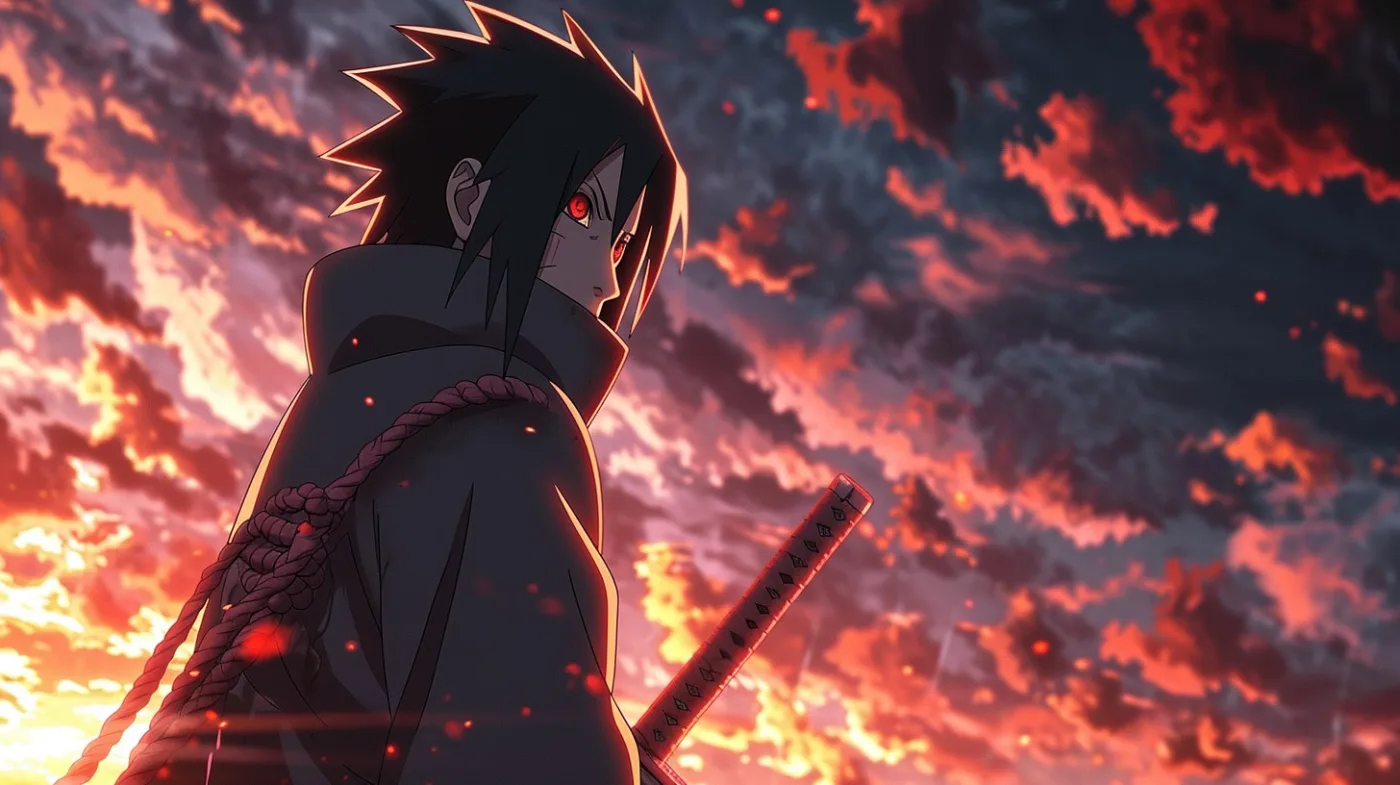
Sasuke’s motivations are complex, stemming not only from the desire to avenge his clan but also from a sense of personal betrayal and loss. The revelation that Itachi, whom he once admired and loved, was responsible for the death of their family shattered Sasuke’s world. This betrayal propels him into a dark journey, seeking power at any cost to fulfill his vow of vengeance. Sasuke’s path is marked by a willingness to sever bonds and embrace darkness, illustrating the depth of his pain and the extent of his resolve.
Powers and Abilities: The Evolution of a Shinobi
Sasuke’s journey in Naruto is also characterized by the development and mastery of his unique abilities, marking him as one of the most formidable ninjas in the series. Initially, Sasuke’s talents lie in his exceptional skill in taijutsu (hand-to-hand combat), ninjutsu (ninja techniques), and genjutsu (illusionary techniques). However, his abilities evolve significantly as he seeks the strength to confront Itachi.
A central aspect of Sasuke’s powers is the Sharingan, a kekkei genkai (bloodline limit) of the Uchiha clan. The Sharingan grants him enhanced perception, the ability to anticipate movements, and copy opponents’ techniques. As Sasuke’s character develops, he unlocks more advanced forms of the Sharingan, including the three-tomoe Sharingan and later, the Mangekyou Sharingan. These advanced forms provide him with even greater combat capabilities and access to powerful techniques like Amaterasu (black flames) and Susanoo (a giant ethereal warrior).
Sasuke’s pursuit of power leads him to various mentors, including Orochimaru, from whom he learns a range of forbidden techniques and further sharpens his skills. His arsenal of abilities grows to include lightning-based attacks like Chidori and various cursed seals, enhancing his strength and speed. These abilities reflect his journey through the world of shinobi, symbolizing his growth, conflicts, and the darkness he embraces in his quest for power.
Major Battles and Turning Points: The Crucible of Conflict
Sasuke’s character is shaped significantly by the battles he engages in, each serving as a milestone in his journey. Notable battles that mark turning points in his character include:
- Battle with Naruto at the Valley of the End: This epic confrontation symbolizes the culmination of the first part of Naruto. It highlights the depth of Sasuke’s determination to sever past bonds and pursue power, even if it means clashing with his closest friend.
- Confrontation with Itachi: The long-awaited battle with Itachi is a pivotal moment in Sasuke’s story. It serves as the climax of his quest for vengeance and reveals shocking truths about Itachi and the Uchiha clan, drastically altering Sasuke’s worldview and motivations.
- Battle at the Five Kage Summit: This battle showcases Sasuke’s descent into darkness and his willingness to oppose the entire ninja world to achieve his goals. It also demonstrates his significant growth in power and his strategic acumen in combat.
- Final Battle with Naruto: This ultimate showdown serves as a resolution to the longstanding rivalry and friendship between Sasuke and Naruto. It is a cathartic and emotional battle, encapsulating their shared history, individual journeys, and the themes of redemption and understanding.

Through these battles and his quest for revenge, Sasuke’s character undergoes profound changes. His journey from a revenge-driven avenger to a powerful and conflicted shinobi is marked by moments of triumph, despair, and introspection. These experiences shape Sasuke into a complex character, whose path reflects the themes of loss, power, vengeance, and the search for identity within the harsh world of the shinobi.
Redemption and Character Development: Sasuke Uchiha’s Path to Atonement
Turning Points: Shifting Ideals and Perspectives
Sasuke Uchiha’s journey in “Naruto” is marked by several critical moments that significantly alter his ideology and goals, steering him towards a path of redemption. These turning points are pivotal in transforming him from a vengeful avenger into a character seeking atonement and understanding.
- Truth About Itachi: A profound turning point for Sasuke is the revelation of the true motives behind Itachi’s actions. Learning that Itachi massacred the Uchiha clan under orders from the Hidden Leaf Village and to prevent a coup, and that he always cared for Sasuke, completely shatters Sasuke’s world. This revelation forces Sasuke to reevaluate his understanding of good and evil and his reasons for seeking revenge.
- Battle of Ideologies with Naruto: Sasuke’s numerous confrontations with Naruto serve as critical points of reflection. Naruto’s unwavering determination to bring Sasuke back and his enduring belief in their friendship gradually impact Sasuke, causing him to question his path of isolation and vengeance.
- Meeting with the Hokages: Sasuke’s interaction with the reanimated Hokages, especially the First Hokage, Hashirama Senju, provides him with insights into the history of the ninja world and the origins of the village system. This knowledge influences Sasuke’s decision-making, pushing him towards a broader understanding of his role in the world.
- Role in the Fourth Great Ninja War: Sasuke’s participation in the war, especially against the real antagonist, Kaguya Otsutsuki, and his alliance with the Allied Shinobi Forces, mark significant steps in his journey towards redemption. These experiences expose him to the complexities of the ninja world and the importance of connections and teamwork.
Redemption Arc: The Road to Reconciliation
Sasuke’s redemption arc is a crucial element of his character development, illustrating his gradual transformation from an avenger consumed by hatred to a shinobi seeking to make amends for his past actions.
- Realization and Acceptance: Post-war, Sasuke comes to a profound realization about himself, his actions, and the true meaning of being a shinobi. He acknowledges his mistakes and the pain he has caused, accepting the consequences of his actions. This self-realization is a significant step in his redemption.
- Journey of Atonement: Following the war, Sasuke chooses to leave the Hidden Leaf Village to atone for his sins. His journey is one of self-reflection and penance, seeking to understand the world better and his place in it. This journey symbolizes his commitment to change and his desire to make amends.
- Final Reconciliation with Naruto: The ultimate reconciliation between Sasuke and Naruto symbolizes the completion of Sasuke’s arc of redemption. Their final conversation, where Sasuke admits his defeat and acknowledges Naruto’s way, cements his transformation. It’s a poignant moment that highlights the power of friendship, understanding, and the capacity for change.
- Contributions to the Ninja World: Sasuke’s actions post-redemption, where he works to protect the Hidden Leaf Village and the greater ninja world from the shadows, further exemplify his commitment to his new path. He becomes a guardian, using his powers and knowledge to prevent future conflicts and maintain peace.

In essence, Sasuke’s story of redemption is a narrative about the complexities of human nature, the struggle for self-identity, and the power of forgiveness and understanding. His journey from darkness back to light is not just a personal journey but also reflects the broader themes of Naruto about the nature of humanity, the cycle of hatred, and the possibility of reconciliation and peace. Sasuke’s development from a revenge-driven ninja to a protector of the peace is a testament to the series’ depth in character development and its exploration of the themes of redemption and atonement.
Sasuke Uchiha’s Road to Atonement
Turning Points: Shifting Ideals and Perspectives
The path of redemption for Sasuke Uchiha in Naruto is punctuated by critical moments that profoundly shift his ideology and goals. One of the most significant is the revelation about Itachi’s true motives, which upends Sasuke’s understanding of his brother’s actions and the nature of his vengeance. This discovery forces him to reevaluate his beliefs about right and wrong and his reasons for revenge. His repeated confrontations with Naruto, marked by Naruto’s unwavering determination to save him and belief in their friendship, gradually influence Sasuke, making him question his path of isolation and vengeance. His interactions with the reanimated Hokages, particularly Hashirama Senju, provide him with a deeper understanding of the ninja world’s history and complexities, impacting his decision-making process. Additionally, Sasuke’s role in the Fourth Great Ninja War, particularly his alliance with the Allied Shinobi Forces against Kaguya Otsutsuki, exposes him to the importance of connections, teamwork, and the broader implications of his actions.
Redemption Arc: The Road to Reconciliation
Sasuke’s redemption arc in Naruto is a nuanced journey from a vengeful avenger to a shinobi seeking to rectify his past. Post-war, Sasuke’s realization of his mistakes, coupled with an acceptance of the pain he caused, marks the beginning of his path to redemption. His decision to leave the Hidden Leaf Village for a journey of self-reflection and atonement symbolizes his commitment to change and understanding his place in the world. The culmination of Sasuke’s redemption is his final reconciliation with Naruto, where he admits his defeat and acknowledges the validity of Naruto’s beliefs. This moment, rich in emotional depth, signifies the power of their friendship and the possibility of change and understanding. After the war, Sasuke’s actions, where he takes on the role of a silent guardian, further reflect his dedication to his new path. He uses his powers and knowledge to prevent future conflicts and maintain peace, showcasing his transformation into a protector and his commitment to the well-being of the ninja world.
Sasuke’s story of redemption, woven intricately into the fabric of Naruto, highlights the complexities of human nature.
Sasuke’s Impact on Fans and Anime Culture
Fan Reception: A Character That Captivates and Divides
Sasuke Uchiha’s impact on the Naruto fandom and beyond is as profound as it is complex. Over the years, fans have received Sasuke with a mix of fascination, admiration, and at times, controversy. He quickly became one of the most popular characters in the series, admired for his skills, depth, and the dramatic evolution of his storyline. His character arc, marked by tragedy, betrayal, and eventual redemption, has resonated deeply with audiences, often sparking intense discussions and debates.

However, Sasuke’s journey, particularly his actions driven by revenge and power, has also been a point of contention among fans. Some have criticized him for his choices and the perceived negative impact of his actions on other characters, particularly Naruto and Sakura. Despite these debates, Sasuke’s role as a complex anti-hero has been a catalyst for engaging discussions about morality, redemption, and the nature of true strength in the anime community.
Cultural Impact: A Symbol in Anime Lore
In the broader scope of anime culture, Sasuke Uchiha stands as an iconic character. His influence extends beyond Naruto, contributing to the archetype of the troubled and powerful anti-hero in anime and manga. Sasuke’s character design, with its memorable Sharingan and evolving appearance, has become a symbol recognizable even to those outside the Naruto fandom.
Sasuke’s story arc and character development have influenced how anime and manga creators approach themes of revenge, power, and redemption. His journey from a revenge-driven youth to a matured individual seeking atonement has set a precedent for character development in shonen anime. Additionally, the dynamic between Sasuke and Naruto has become a defining example of rivalry and friendship in anime, inspiring similar relationships in later series.
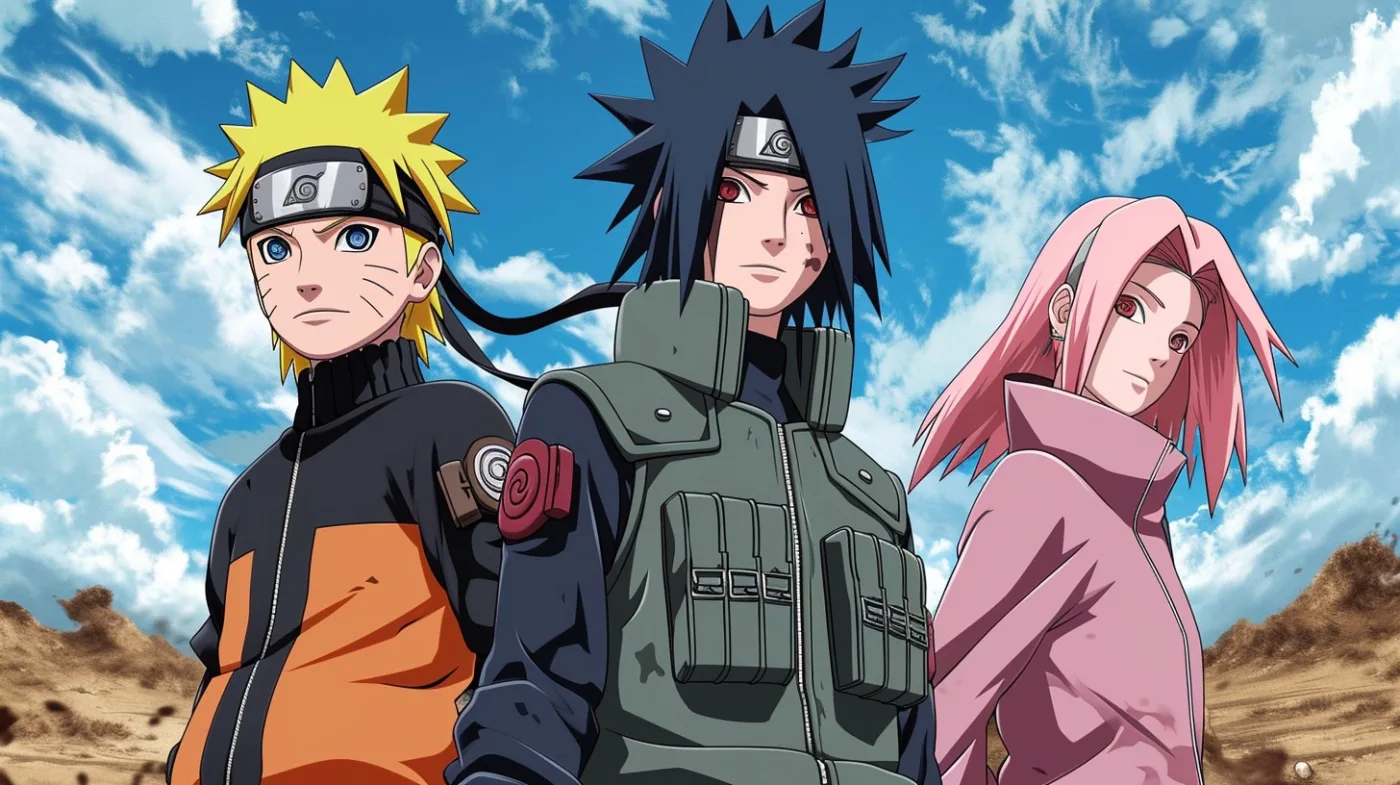
Sasuke’s presence in Naruto has also significantly contributed to the series’ global success. As a key character, he has played a crucial role in Naruto’s cultural impact, from influencing fashion and cosplay to being a central figure in fan art and fan fiction. The complexity of his character has engaged audiences in a way that transcends typical hero-villain dynamics, adding to the rich tapestry of anime storytelling.
Sasuke Uchiha’s impact on fans and anime culture is multifaceted and significant. He represents more than just a character in a popular series; he embodies the evolution of anime characters and storytelling, leaving an indelible mark on the genre and its audience. His journey, fraught with conflict and redemption, continues to captivate and inspire, cementing his status as one of the most iconic characters in anime history.