
Anime Reviews
Unraveling Magic and Friendship: An In-Depth Review of Fairy Tail

Dec
Fairy Tail stands as a vibrant emblem in the anime universe, captivating a global audience with its unique blend of magic, adventure, and humor. Launched into the hearts of viewers in 2009, this creation of Hiro Mashima carved its niche within the shonen genre, celebrated for its action-driven narratives and profound themes of friendship and valor. Set in the enchanting realm of Earth-land where wizards band together in guilds, the series goes beyond mere entertainment; it’s a gateway into a world where magic and reality intertwine. Fairy Tail isn’t just an anime; it’s a cultural touchstone that has played a significant role in popularizing anime across various demographics, bridging gaps and building a diverse, passionate community.
Thesis Overview
This exploration of Fairy Tail seeks to uncover the layers beneath its exhilarating escapades and vivid aesthetics. While it resonates with familiar shonen elements, Fairy Tail sets itself apart through its persistent emphasis on camaraderie, belonging, and the resilience of the human spirit. The series transcends typical magical showdowns, offering a narrative that celebrates the strength found in unity and the enduring power of friendship. It’s a story that weaves together action, emotion, and humor, creating a tapestry that appeals to a broad spectrum of viewers.
A Personal Encounter with Magic
Imagine a rainy afternoon, the perfect setting for a new adventure. This is where many encountered Fairy Tail for the first time, drawn into a world where magic and camaraderie collide. Hiro Mashima, the visionary behind this world, once expressed a desire to create a story that was both “funny and sad,” exploring the multifaceted nature of friendship. This interplay of joy and melancholy, set against the backdrop of magical battles and quests, captures the essence of Fairy Tail. It’s this unique blend that makes the series not just a magical journey, but a reflection on the deeper connections that bind us.
Background of Fairy Tail
Journey into Fairy Tail’s Universe
Fairy Tail unfolds in the mystical world of Earth-land, a place where magic is not just a mythical concept but an integral part of everyday life. The story centers around a magical guild known as Fairy Tail, renowned for its members’ unwavering bonds and dauntless spirits. The narrative follows the adventures of Natsu Dragneel, a dragon slayer wizard searching for his adoptive dragon father, and Lucy Heartfilia, an aspiring celestial wizard. Along their journey, they are joined by an array of characters, each with their own unique magical abilities and backstories. The guild members embark on various missions, facing formidable enemies and uncovering dark plots, all while forging stronger friendships and confronting their own pasts.

Behind the Scenes
Fairy Tail was originally a manga series written and illustrated by Hiro Mashima. It was adapted into an anime by A-1 Pictures and Satelight for its earlier seasons, and later by CloverWorks. The series was directed by Shinji Ishihira, a name well-respected in the anime industry. The rich, vibrant animation style and character designs became a hallmark of the series, capturing the essence of Mashima’s original artwork. The anime’s production involved a talented team of writers, animators, and voice actors, both in its original Japanese version and the English dub, contributing to its wide-reaching appeal.
Popularity and Public Reception
Since its release, Fairy Tail has grown into a colossal franchise, extending beyond the realm of television to include movies, video games, and a wide array of merchandise. Its debut was met with positive acclaim, quickly gaining a dedicated fanbase attracted to its unique blend of humor, action, and heartfelt moments. Critics have lauded Fairy Tail for its compelling character development and the way it handles themes of friendship and courage. However, it has also faced criticism for some of its narrative choices and the repetitive nature of certain plot points. Despite this, the series has maintained a strong presence in the anime community, celebrated for its emotional depth, memorable characters, and the sense of adventure that it brings to viewers of all ages.
Analyzing Fairy Tail
Narrative and Themes
Fairy Tail is a saga rich in narrative depth, characterized by its episodic adventures and overarching plot arcs. At its core, the series navigates themes of friendship, loyalty, and the pursuit of one’s dreams. Episodes often oscillate between high-stakes battles and lighter, character-driven moments, allowing for both tension and relief. Notable arcs like the ‘Eisenwald’, ‘Phantom Lord’, and ‘Tenrou Island’ arcs are not only pivotal in advancing the story but also in exploring complex themes such as sacrifice, redemption, and the consequences of power.

A recurring motif in Fairy Tail is the concept of family, both biological and chosen. The Fairy Tail guild itself is portrayed as a tight-knit family, where each member, despite their varied pasts and personalities, is valued and supported. This emphasis on camaraderie and support is a distinctive trait of the series, setting it apart from many other shonen anime.
Character Dynamics
The heart of Fairy Tail’s appeal lies in its dynamic and diverse cast of characters. Natsu Dragneel, the fiery and fiercely loyal Dragon Slayer, and Lucy Heartfilia, the aspiring and compassionate celestial wizard, form the central duo. Their relationship evolves from companions to close friends, epitomizing the series’ emphasis on strong, platonic bonds.
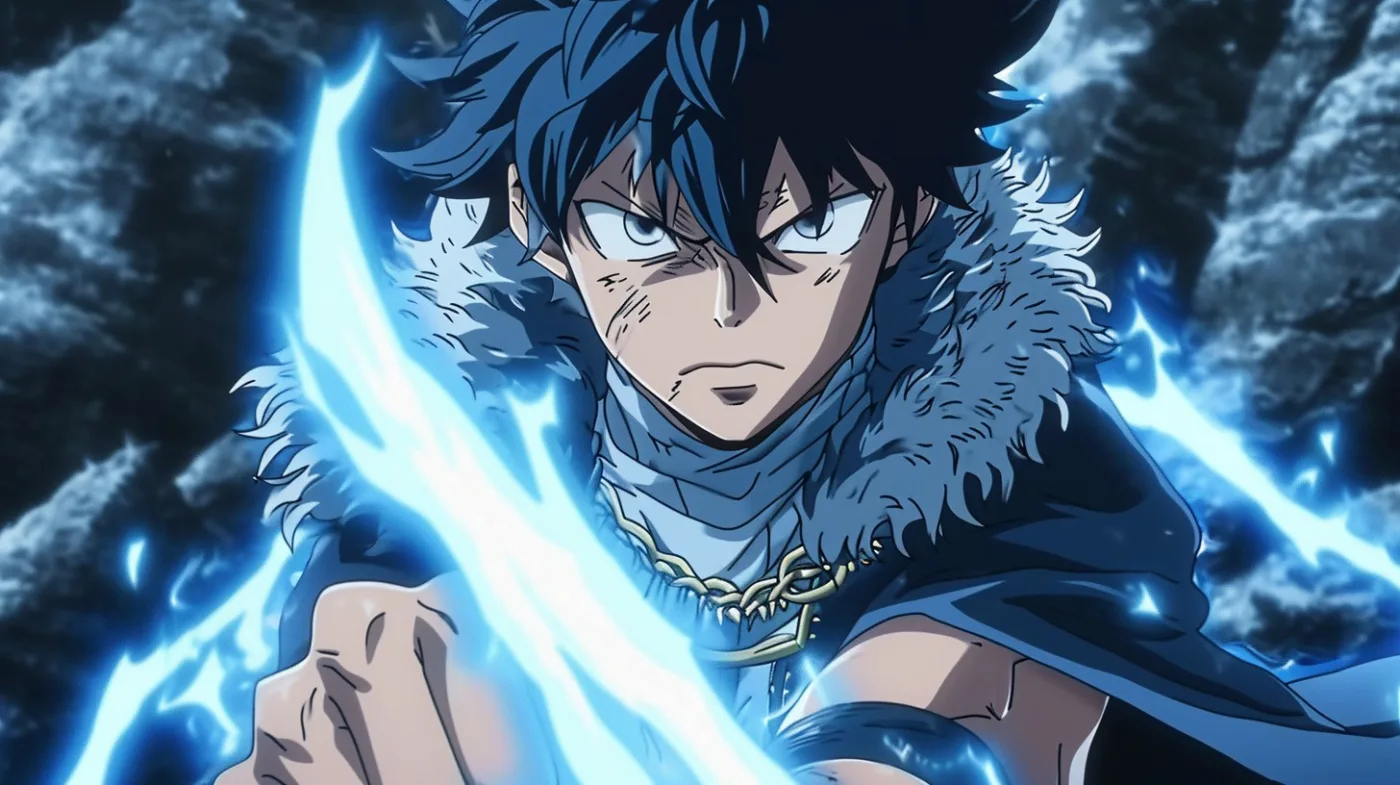
Other significant characters include Gray Fullbuster, an ice-make wizard whose rivalry and deep friendship with Natsu add layers to the narrative, and Erza Scarlet, a powerful and disciplined wizard known for her sense of justice and unwavering loyalty to the guild. Their backstories, each marked by trials and tribulations, are skillfully woven into the series, providing depth and motivation to their characters.
The interactions and relationships among guild members are a driving force in the series. Bonds are tested, forged, and strengthened through various challenges, highlighting the importance of trust and understanding. Romantic subplots are also present but are subtle and often take a backseat to the overarching themes of friendship and collective growth.
Fairy Tail’s character dynamics are not limited to the protagonists. Antagonists and secondary characters are given substantial development, making the universe of Fairy Tail feel rich and inclusive. Characters like Laxus Dreyar and Juvia Lockser, who transition from adversaries to key allies, demonstrate the series’ knack for character redemption and growth.
Overall, “Fairy Tail” crafts a world where relationships evolve naturally, marked by moments of conflict, triumph, and emotional resonance, which become key to its storytelling charm.
Visual Artistry and Animation
The visual allure of “Fairy Tail” is one of its most striking features, setting it apart in the anime landscape. The art style is a vibrant blend of bold colors and dynamic character designs, which capture the fantastical essence of the series. Character animations are particularly noteworthy; they convey a wide range of emotions, from the intensity of battle scenes to the subtleties of emotional moments. The magical spells and fight sequences are animated with flair, showcasing a mix of fluid motion and impactful visual effects that bring the magic of Earth-land to life.
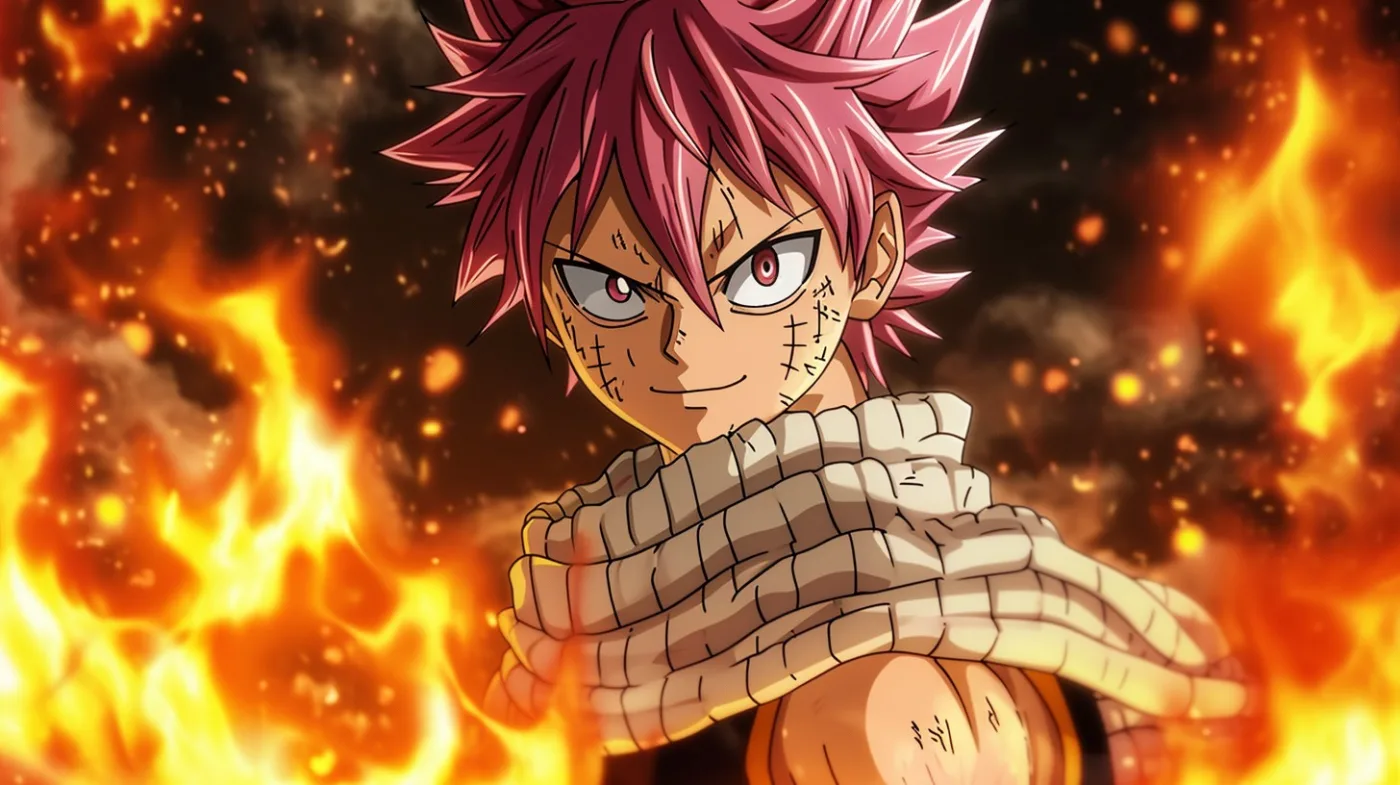
Fairy Tail also demonstrates a unique balance in its visual storytelling. The background art often features detailed landscapes and bustling cityscapes, immersing viewers in its expansive world. These elements combine to create a visually engaging experience that complements the narrative’s tone and mood. However, some viewers have noted a variation in animation quality throughout the series, particularly in later seasons, where certain episodes exhibit less consistency in animation standards.
The Rhythms of Fairy Tail
Music and sound play a pivotal role in Fairy Tail, enhancing the overall viewing experience. The soundtrack, composed by Yasuharu Takanashi, is a rich tapestry of music that ranges from energetic battle themes to more poignant, emotional scores. The music adeptly captures the spirit of adventure and the emotional depth of the series, adding layers to both the action-packed and the more introspective scenes.
The opening and closing theme songs of “Fairy Tail” have become almost as iconic as the series itself. Each new arc introduces fresh themes, often performed by popular Japanese artists, that resonate with the story’s evolving dynamics. These songs range from upbeat and invigorating to mellow and reflective, setting the tone for the episodes and leaving a lasting impression on the audience.
Voice acting is another critical element, with both the original Japanese cast and the English dub actors receiving praise for their performances. The Japanese voice actors, including Tetsuya Kakihara (Natsu) and Aya Hirano (Lucy), bring depth and authenticity to their characters, capturing their personalities and growth throughout the series. The English dub, often a point of contention in anime, is well-received in Fairy Tail” with many viewers appreciating the voice actors’ ability to match the energy and emotions of the original performances.
Overall, the combination of visual artistry, engaging music, and expressive voice acting contributes significantly to Fairy Tail’s charm, creating an immersive and emotionally resonant experience for its audience.
Fairy Tail in the Anime Landscape
“Fairy Tail” has carved out a unique space for itself within the anime landscape, often drawing comparisons to other popular series in the shonen genre. Its blend of magic, action, humor, and heartfelt storytelling shares similarities with several notable anime, yet it maintains its distinct identity.
Comparison with “One Piece”
One of the most frequent comparisons is with “One Piece,” another long-running shonen series. Both anime feature a close-knit group of characters embarking on adventurous quests, with a strong emphasis on themes of friendship and loyalty. However, Fairy Tail differs in its more frequent use of magic as a central plot device and its setting in a fantasy world, as opposed to the pirate-centric universe of “One Piece.” The pacing and narrative structure also diverge; “One Piece” has longer, more intricate story arcs, while Fairy Tail often opts for shorter, more episodic arcs.
Similarities with “Naruto”

“Naruto” is another series often paralleled with Fairy Tail. Both anime have young, ambitious protagonists with a strong sense of determination and a penchant for overcoming adversity. The concept of guilds in Fairy Tail is somewhat akin to the ninja teams and villages in “Naruto,” where characters grow and face challenges within a structured community. However, “Naruto” delves deeper into political and philosophical themes and features a more complex world-building compared to the more straightforward and whimsically adventurous world of Fairy Tail.
Comparison with “Bleach”
“Bleach,” like “Fairy Tail,” combines supernatural elements with action-packed sequences. Both series feature a teenager gaining extraordinary abilities and facing various adversaries. While “Bleach” focuses on soul reapers and spirits, Fairy Tail revolves around wizards and guilds. The tone of “Bleach” tends to be darker and more serious, contrasting with the often light-hearted and comedic tone of Fairy Tail.
Distinct Elements of Fairy Tail
Despite these comparisons, Fairy Tail distinguishes itself with its emphasis on the guild as a familial unit and its unique approach to magic. The series excels in portraying a sense of community and belonging, where the characters’ interactions and development within the guild are as pivotal as the external adventures. Additionally, “Fairy Tail’s” aesthetic, from its vibrant character designs to its distinct soundtrack, sets it apart in the visual and auditory realms.
In summary, while “Fairy Tail” shares common ground with other shonen series, it stands out through its focus on guild dynamics, its whimsical yet emotionally resonant storytelling, and its distinctive approach to the fantasy genre. This unique combination has secured Fairy Tail a beloved place in the hearts of many anime fans.
Evaluating Fairy Tail: A Critical Assessment
Strengths and Shortcomings
“Fairy Tail” shines brightly in several aspects, notably in its character development and the portrayal of friendships. The characters are not only diverse but also experience significant growth throughout the series, allowing viewers to connect deeply with their journeys. The theme of camaraderie and loyalty, a central pillar of the narrative, resonates powerfully, offering a heartwarming message that is both uplifting and inspiring.
In terms of entertainment, the series adeptly balances intense action with humor, ensuring that it caters to a wide range of viewers. The art style, vibrant and lively, along with a compelling soundtrack, further elevates the viewing experience, creating scenes that are memorable and emotionally engaging.

However, the series does encounter its share of shortcomings. One notable issue is the tendency towards repetitive story arcs. The narrative sometimes falls into a predictable pattern, which might detract from the overall enjoyment for some viewers. Additionally, the series employs a significant amount of fan service, which, while appealing to certain audiences, can be off-putting for others and occasionally detracts from the storyline’s depth.
A Viewer’s Perspective
From a viewer’s perspective, “Fairy Tail” offers a captivating world filled with magic and adventure. The emotional depth, especially in the portrayal of friendships and the characters’ personal struggles, adds a layer of relatability and heart to the series. The moments of humor interspersed throughout provide a necessary and enjoyable break from the more serious battles and conflicts.
However, the repetitive nature of some plot points can become apparent, especially for those who are well-versed in the shonen genre. The predictability of certain arcs might lessen the impact of the narrative’s twists and turns. Furthermore, the level of fan service in the series is a double-edged sword; it might attract a certain demographic but can also be seen as unnecessary or distracting from the core themes of the story.