
Anime Industry News
Beyond the Walls: Hajime Isayama, the ‘Attack on Titan’ Mastermind

Dec
In the realm of modern manga and anime, few names resonate as profoundly as Hajime Isayama, the visionary creator of “Attack on Titan.” This series, known in Japanese as “Shingeki no Kyojin,” has not only redefined the boundaries of its genre but has also left an indelible mark on the global pop culture landscape. Isayama, born on August 29, 1986, in Ōyama, Ōita, Japan, embarked on his journey as a mangaka (manga artist) with a blend of ambition and a unique storytelling vision that would eventually captivate millions worldwide.
The Titan of Manga – Hajime Isayama
“Attack on Titan” first burst onto the scene in 2009, serialized in Kodansha’s ‘Bessatsu Shōnen Magazine.’ Its premise was deceptively simple yet strikingly original: humanity caged within enormous walled cities to protect themselves from gigantic, man-eating beings known as Titans. However, Isayama’s narrative prowess quickly unfolded into a complex saga, weaving themes of survival, freedom, and the blurry lines between good and evil. The series stood out for its intense, dark storytelling coupled with high-stakes action and deeply fleshed-out characters, a far cry from the more conventional shōnen manga of the time.

Hajime Isayama’s influence extends far beyond the pages of his manga. The animated adaptation of “Attack on Titan” became a colossal success, sparking a renewed global interest in anime. His intricate world-building, coupled with a propensity for shocking plot twists, has kept readers and viewers on the edge of their seats, eagerly anticipating each new development. Through “Attack on Titan,” Isayama has not only crafted a compelling narrative but has also reinvigorated the manga and anime industries, inspiring a new generation of artists and storytellers. His work stands as a testament to the power of manga and anime as serious storytelling mediums, capable of exploring complex themes and resonating with a diverse, global audience.
Early Life and Influences of Hajime Isayama
Childhood and Upbringing in Rural Japan
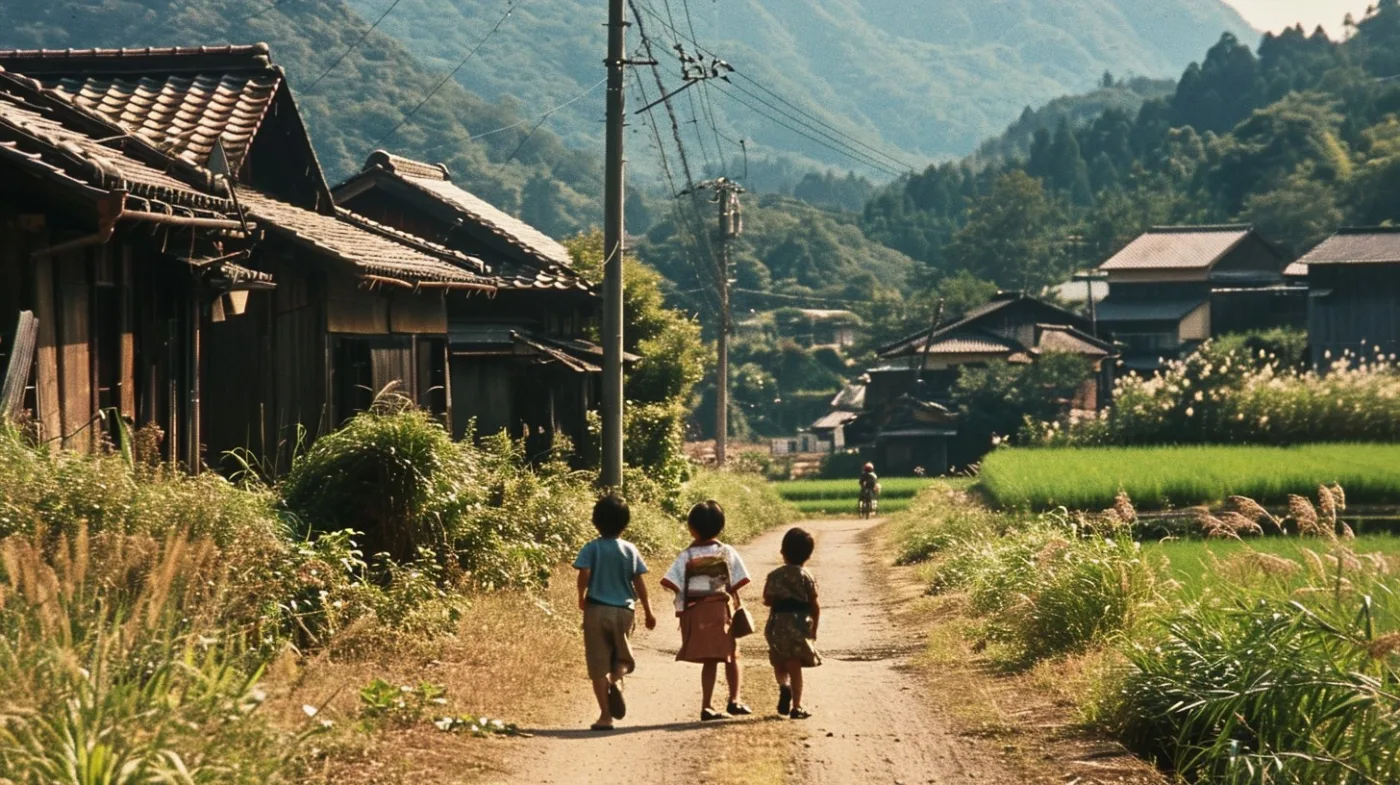
Hajime Isayama’s journey into the world of manga began in the humble settings of rural Japan. Born in the small town of Ōyama in Ōita Prefecture, Isayama grew up in an environment far removed from the bustling epicenters of manga culture. His early life in this rural setting, surrounded by mountains and nature, played a crucial role in shaping his creative vision. The isolation and tranquility of his hometown, coupled with the limited entertainment options, spurred a young Isayama to seek refuge in his imagination, sowing the seeds for his future storytelling.
Discovery of Manga and Early Artistic Pursuits
Isayama’s fascination with manga and drawing manifested at an early age. Japanese manga, widely accessible and popular among children, became his gateway into a world of endless possibilities. He was particularly drawn to the works of classic mangakas like Katsuhiro Otomo, known for “Akira,” and Hajime no Ippo’s creator, George Morikawa. These early exposures not only entertained Isayama but also opened his eyes to the potential of manga as a storytelling medium.
However, his initial forays into drawing were met with challenges. Isayama has often recounted in interviews how his art style didn’t quite fit the conventional mold. His drawings, characterized by their unique and sometimes rough edges, stood in contrast to the more polished and typical manga styles of the time. This distinct style, while initially seen as a hurdle, eventually became one of his most defining characteristics.
Influences and Inspirations: From Local Lore to Global Cinema
A significant influence on Isayama’s work came from local folklore and the legends he grew up listening to. The rural landscape of Ōita, rich with myths and tales of yōkai (supernatural creatures), provided a fertile ground for his imagination. These stories, rooted in Japanese culture, later influenced the mythical and mysterious elements in “Attack on Titan.”
Additionally, Isayama’s exposure to Western cinema during his teenage years introduced him to a variety of storytelling styles and narratives. Films like Ridley Scott’s “Blade Runner” and the war dramas of the West left a profound impact on him, broadening his horizons beyond the typical shōnen genre tropes. The influence of these films is evident in the cinematic pacing and complex story arcs present in his work.
Moreover, Isayama’s passion for history and his keen interest in the human psyche also shaped his approach to manga. He often delved into historical texts, fascinated by the rise and fall of civilizations and the human behaviors that drove such events. These interests are prominently reflected in “Attack on Titan,” where themes of power, society, and morality play central roles.
Culmination of Early Experiences
Hajime Isayama’s early life experiences – his rural upbringing, early manga influences, fascination with folklore and global cinema, and interest in history and psychology – converged to create a unique creative perspective. This blend of influences set the stage for the birth of “Attack on Titan,” a work that would not only define his career but also leave an indelible mark on the manga and anime industry.
The Genesis of ‘Attack on Titan’
The Birth of a Concept: From Imagination to Ink
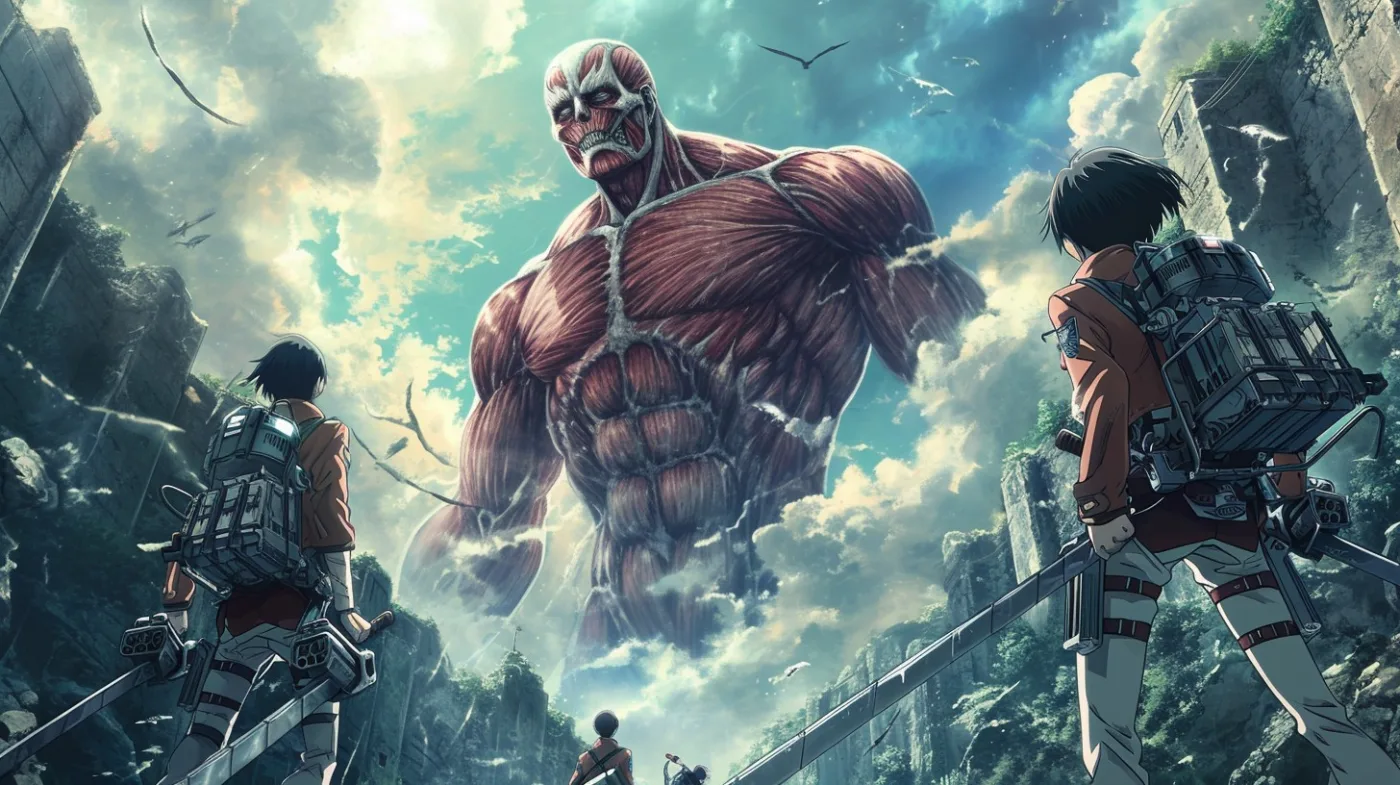
The seeds of “Attack on Titan” were sown in Hajime Isayama’s imaginative mind during his high school years. The initial concept stemmed from a blend of his childhood influences and personal experiences. While working at an internet café, Isayama encountered a customer who, despite being much smaller, intimidated him with his sheer presence. This encounter sparked the idea of fear and helplessness against a larger, overpowering entity, which later became central to the narrative of “Attack on Titan.”
Isayama’s interest in the human psyche, history, and the complex dynamics of predator and prey played significant roles in shaping the story. He envisioned a world where humanity was no longer at the top of the food chain, creating a narrative that explored themes of survival, freedom, and the moral complexities of fighting against seemingly insurmountable odds.
Overcoming Publishing Hurdles: A Path Laden with Challenges
Isayama’s journey to getting “Attack on Titan” published was fraught with challenges. His distinct art style, which deviated from the polished norms of mainstream manga, initially led to rejections from several publishers. His narrative, dark and intense, also contrasted sharply with the more popular, light-hearted manga themes prevalent at the time.
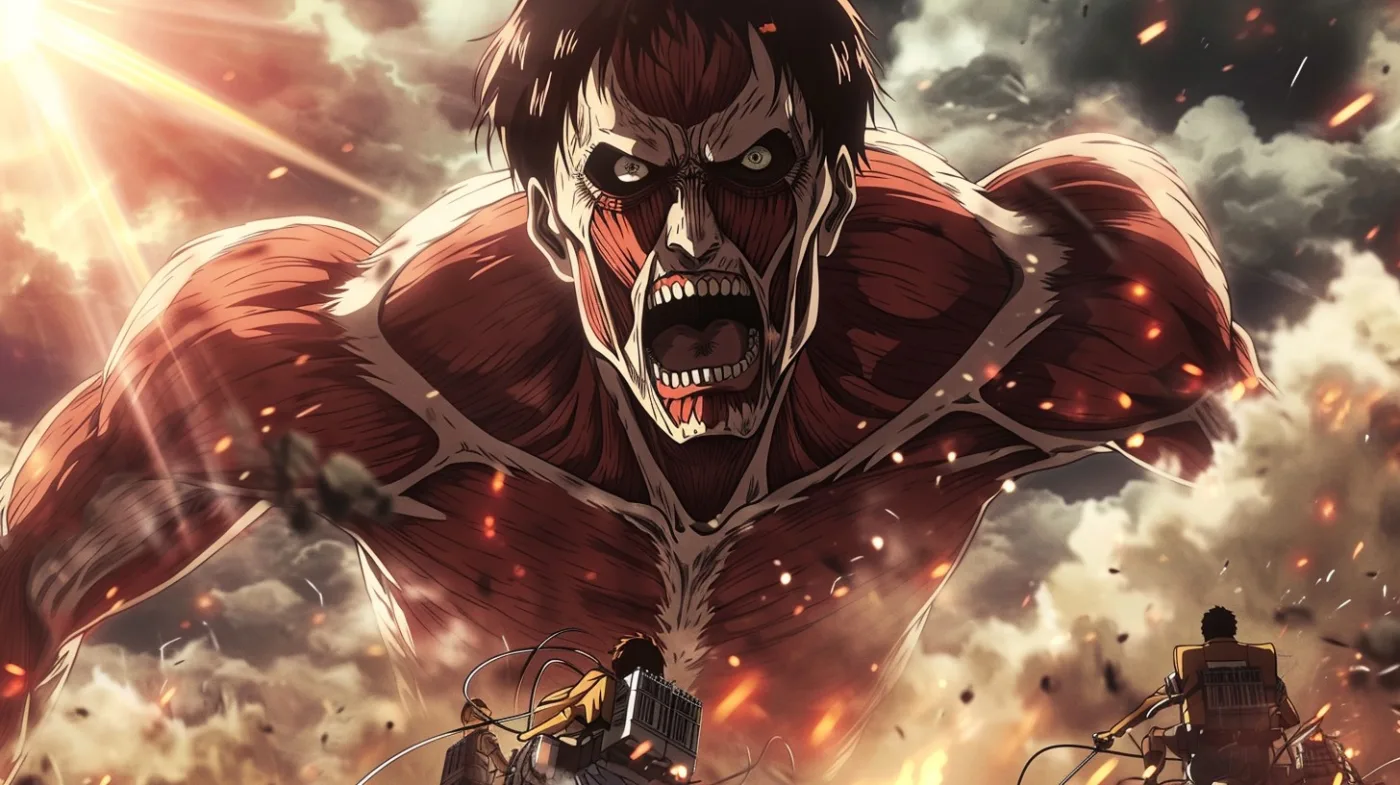
Determined to see his vision come to life, Hajime Isayama entered his work in the Magazine Grand Prix (MGP), an influential manga competition. Although he did not win, his unique concept and storytelling caught the attention of an editor from Kodansha, one of Japan’s largest publishing companies. This recognition was a turning point, providing Isayama with a platform to refine and develop his ideas further.
Breakthrough and Serialization: The Dawn of a New Era in Manga
Isayama’s perseverance paid off when “Attack on Titan” began serialization in Kodansha’s ‘Bessatsu Shōnen Magazine’ in 2009. The series quickly gained traction, resonating with readers who were drawn to its dark themes, complex characters, and the high-stakes, action-packed narrative. The serialization of “Attack on Titan” marked not only a significant personal achievement for Isayama but also the beginning of a new era in the manga industry.
The manga’s success was exponential. It captivated a growing audience with its gripping storyline and unique aesthetic. Its serialization in ‘Bessatsu Shōnen Magazine’ became a landmark event, signaling the arrival of a new titan in the world of manga. Isayama’s dedication, coupled with his willingness to break conventions, had paid off, launching him into the pantheon of renowned manga artists and setting the stage for “Attack on Titan” to become a global phenomenon.
Themes and Storytelling in ‘Attack on Titan’
Exploring the Depths of Human Nature and Freedom
“Attack on Titan” is much more than a tale of humanity versus Titans; it delves deep into the exploration of key themes like freedom, human nature, and the complexities of morality. The concept of freedom is central to the narrative, portrayed through the characters’ constant struggle against the Titans and their own societal constraints. The walls surrounding the human settlements in the story are symbolic not only of protection but also of confinement, serving as a metaphor for the limitations placed on freedom and the human spirit.
The series also offers a profound look into human nature, particularly in times of crisis. Isayama skillfully portrays how fear, desperation, and the will to survive can bring out both the best and worst in people. The characters in “Attack on Titan” are often faced with moral dilemmas, forcing them to make choices that blur the lines between right and wrong. This exploration of morality is a recurring theme, challenging readers to question their own beliefs and the nature of humanity itself.
Narrative Style and Character Development: A Tapestry of Complexities
Isayama’s narrative style in “Attack on Titan” is notable for its complexity and depth. The story unfolds in a non-linear manner, with frequent flashbacks and shifts in perspective that add layers of depth to the plot. This storytelling approach keeps readers engaged, as each chapter reveals new facets of the story and characters.

Character development is another hallmark of Isayama’s narrative. The characters in “Attack on Titan” are intricately crafted, each with their own backstories, motivations, and growth arcs. The protagonist, Eren Yeager, evolves from a naive, revenge-driven youth to a more nuanced character, embodying the themes of freedom and the costs associated with it. Similarly, other characters like Mikasa Ackerman and Armin Arlert undergo significant development, reflecting the series’ themes of resilience, loyalty, and the pursuit of knowledge.
Impact on Readers: A Story that Resonates Beyond the Pages
The impact of “Attack on Titan” on its readers is profound and far-reaching. The series has been praised for its bold storytelling, compelling characters, and its ability to engage with complex themes in a nuanced way. It challenges readers to think critically about issues such as authority, freedom, and the nature of war and peace.
The emotional depth and moral complexities presented in the story resonate with a diverse audience, transcending cultural and geographical boundaries. “Attack on Titan” has not only entertained millions but has also sparked discussions and debates, highlighting its influence as a work that prompts reflection on the human condition. Through its masterful storytelling and thematic exploration, “Attack on Titan” stands as a seminal work in the manga and anime industry, leaving an indelible mark on its readers and the genre as a whole.
Artistic Style and Evolution of Hajime Isayama
The Unique Visual Language of Isayama
Hajime Isayama’s artistic style in “Attack on Titan” is distinctive and has evolved significantly since the series’ inception. Early in his career, his drawings were characterized by rough lines and a somewhat unpolished look, a stark contrast to the more refined styles prevalent in other popular manga. This raw aesthetic, however, became one of his signature traits, adding a gritty realism to the dark and intense narrative of “Attack on Titan.”
Over the years, Isayama’s art style underwent a noticeable evolution. His later volumes show a marked improvement in character designs, with more detailed and expressive facial features and more dynamic action sequences. This evolution can be attributed to his dedication to honing his craft and his responsiveness to feedback from both editors and fans. The growth in his artistic skill has added depth and intensity to the storytelling, making the horror and drama of the Titan encounters more visceral.
Comparisons with Other Manga Artists

Isayama’s style, particularly in the way he depicts action and emotion, stands out when compared to his contemporaries. While some manga artists opt for cleaner lines and more stereotypical character designs, Isayama’s approach is more raw and unfiltered. His work can be contrasted with the styles of artists like Eiichiro Oda (creator of “One Piece”) or Tite Kubo (“Bleach”), who are known for their more polished and stylized artwork. Isayama’s ability to convey the gravity and urgency of situations through his art sets him apart in the manga world.
Influence on Fans and Emerging Artists
The impact of Isayama’s art style extends beyond “Attack on Titan.” His approach has resonated with a wide audience, inspiring a new generation of manga artists and fans. Many aspiring artists look up to his work for its unique blend of realism and raw emotion, seeing in it a departure from conventional manga art and a new way to tell compelling stories.
Fan art inspired by “Attack on Titan” showcases how Isayama’s style has influenced the broader manga and anime community. His work has encouraged fans and artists to experiment with more dynamic and expressive forms of visual storytelling. The influence of his art is a testament to its power and the unique voice he has brought to the world of manga.
In summary, Hajime Isayama’s artistic journey in “Attack on Titan” is as much a story of personal growth as it is of stylistic evolution. His unique approach to manga art, characterized by its raw intensity and evolving complexity, has not only defined the visual narrative of his work but has also left a lasting impact on the manga industry and its enthusiasts.
Challenges and Controversies Surrounding ‘Attack on Titan’
Navigating the Terrain of Sensitive Themes
“Attack on Titan,” while acclaimed for its bold storytelling and complex themes, has not been immune to controversies and criticism. One of the primary areas of contention has been the series’ depiction of sensitive themes such as war, oppression, and ethnic conflict. Some critics and readers have drawn parallels between the series’ narrative elements and real-world historical events, leading to debates over the intentions and implications of Isayama’s work. These discussions often focus on the portrayal of the Marleyans and Eldians within the story, with some interpreting these groups as allegorical representations of real-world ethnicities or historical events.
Artistic Interpretation and Historical Parallels

Another point of controversy has been the perceived historical and political allegories in “Attack on Titan.” Certain character designs, symbols, and story arcs have been compared to specific periods in history, raising questions about the series’ handling of these delicate subjects. The complex portrayal of characters who are morally gray and the depiction of the harsh realities of war have also sparked discussions about the ethical boundaries of storytelling in manga.
Addressing the Issues
Hajime Isayama and the publishers of “Attack on Titan” have approached these controversies with a mixture of clarification and openness to dialogue. Isayama himself has spoken about his intentions in various interviews, explaining that his primary goal has been to create a compelling story rather than to make direct historical or political statements. He has emphasized the fictional nature of the series and its setting, while also acknowledging the influence of his personal interests and historical research on his storytelling.
In response to criticism, there has been an effort to provide context and clarification about the series’ themes and its narrative intentions. Publishers and distributors have sometimes included disclaimers or notes to readers, highlighting the fictional nature of the story and its separation from real-world events and ideologies.
Hajime Isayama’s Life Beyond ‘Attack on Titan’
Personal Life and Pursuits

While Hajime Isayama is predominantly known for his groundbreaking work on “Attack on Titan,” his personal life and hobbies paint the picture of a multifaceted individual. Born and raised in a rural area of Japan, Isayama has maintained a level of privacy regarding his personal life, a stark contrast to the global fame of his work. He is known to have a keen interest in movies and music, often citing these as sources of inspiration for his storytelling and artistic style. Isayama’s love for cinema, in particular, is evident in the cinematic pacing and structure of his narratives.
In interviews and public appearances, Isayama comes across as humble and grounded, often expressing gratitude to his fans and the community that has supported his work. His down-to-earth demeanor and relatability have endeared him to fans and colleagues alike.
Exploring Other Creative Avenues
Following the conclusion of “Attack on Titan,” the manga community has been keenly interested in Isayama’s future projects. While he has not announced any major works since the series’ end, there is much anticipation for any new ventures he might undertake. His ability to create a deeply immersive world and compelling characters in “Attack on Titan” suggests that any future projects would be met with significant interest.
Isayama has also been involved in various collaborations and smaller projects, showcasing his versatility as an artist and storyteller. His involvement in these projects indicates an ongoing commitment to the manga and anime industries, even beyond the confines of his flagship series.
Influence and Role in the Manga/Anime Community
Isayama’s impact on the manga and anime community extends far beyond the pages of “Attack on Titan.” His success has served as an inspiration for aspiring manga artists, particularly those who seek to break away from traditional storytelling and artistic norms. Isayama is often invited to speak at conventions and seminars, where he shares his experiences and insights into the world of manga creation.
His role as an influencer in the community is significant. Isayama has not only contributed a landmark series to the manga and anime world but has also helped in expanding the global reach of Japanese pop culture. His work has encouraged dialogue about the potential of manga and anime as mediums for exploring complex themes and narratives.
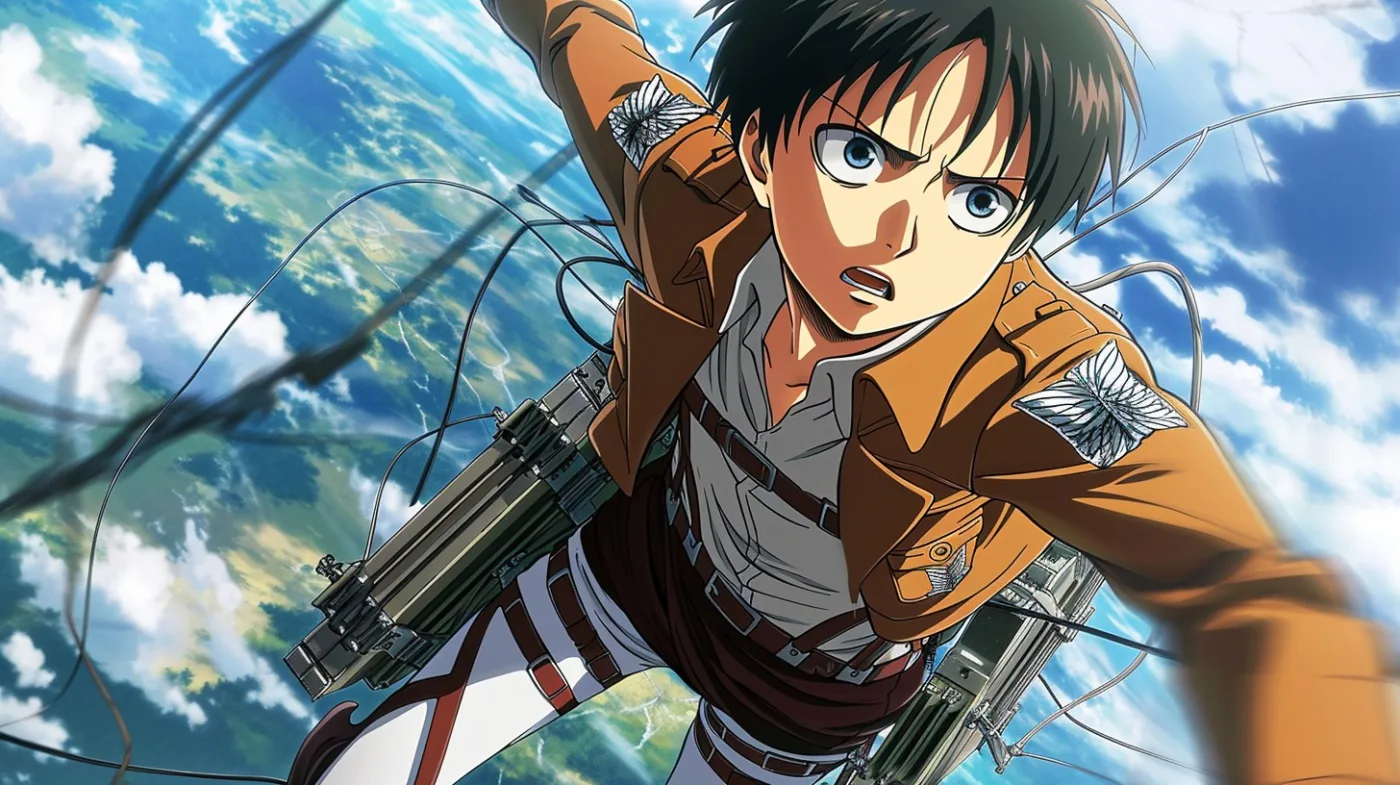
Hajime Isayama’s life beyond “Attack on Titan” is one marked by a blend of personal privacy and ongoing creative influence. His hobbies, potential future projects, and role within the manga and anime community all contribute to his stature as a respected figure in the world of Japanese pop culture. As fans and peers alike watch with interest, Hajime Isayama’s journey continues to be one of inspiration and impact in the ever-evolving landscape of manga and anime.
Legacy and Future Endeavors of Hajime Isayama
A Lasting Impact on the Manga and Anime Industry
Hajime Isayama’s contribution to the manga and anime industry through “Attack on Titan” is both profound and far-reaching. His work challenged and expanded the boundaries of what manga could be, both in terms of storytelling and artistic expression. “Attack on Titan” broke new ground with its dark themes, complex characters, and intricate plot, offering a stark contrast to the more traditional shōnen manga. Its global success helped elevate the status of manga and anime on the world stage, attracting a diverse new audience and fostering a deeper appreciation for the medium.
Isayama’s influence extends beyond his narrative and artistic contributions. He has become a role model for aspiring manga artists, demonstrating that unconventional ideas and styles can achieve tremendous success. His journey from a relatively unknown artist to a globally recognized creator has been inspirational, showcasing the power of perseverance and creativity in the highly competitive world of manga and anime.
Envisioning the Future: New Horizons
While Isayama has been relatively quiet about his future projects since concluding “Attack on Titan,” the anticipation and excitement among fans and the manga community remain high. Given his creative genius, any new project he undertakes is expected to be met with significant interest and enthusiasm. Whether he chooses to explore new genres, narratives, or artistic styles, Isayama’s future endeavors are eagerly awaited by fans worldwide.

There is also a possibility that Isayama may venture into other forms of media or collaborations, given the expansive universe he created in “Attack on Titan.” His ability to craft detailed worlds and compelling narratives opens up numerous possibilities for exploration in various formats, be it through spin-offs, adaptations, or entirely new creations.
Reflecting on Isayama’s Enduring Legacy
As we look back on Hajime Isayama’s career, his legacy is defined not just by the phenomenal success of “Attack on Titan,” but also by his impact on the evolution of manga and anime as storytelling mediums. He has pushed the boundaries of what is possible in manga, both in terms of thematic depth and artistic expression. His work has inspired conversations on a global scale, transcending cultural and language barriers and connecting a diverse audience through the power of storytelling.
Isayama’s legacy is that of a visionary who redefined the possibilities of manga and anime. His journey is a testament to the enduring appeal of these mediums and their capacity to tell stories that resonate deeply with audiences worldwide. As he moves forward with his career, whatever direction he chooses to take, Isayama’s influence on the industry and his fans will undoubtedly continue to be felt for many years to come.