
Cosplay Culture
Cosplay as Therapy: Healing Through Creativity and Self-Expression

Dec
The Therapeutic Power of Cosplay: An Introduction
Cosplay, the art of dressing up as fictional characters from various forms of media, has evolved into much more than a hobby. For many, it has become a powerful tool for improving mental health and overall well-being. At its core, cosplay is about creative expression, self-discovery, and finding a sense of belonging within a passionate community. In this article, we’ll explore how cosplay serves as a form of self-care, offering therapeutic benefits that can have a profound impact on individuals dealing with mental health challenges.
Cosplay provides a unique platform for individuals to explore and express themselves creatively. When someone decides to cosplay a character, they are essentially stepping into the shoes of that character, immersing themselves in their personality, mannerisms, and style. This transformation allows cosplayers to tap into their own creativity, pushing the boundaries of their imagination as they work to bring their chosen character to life.
Exploring Creative Expression and Self-Discovery

One of the most significant therapeutic aspects of cosplay is the opportunity for creative expression and self-discovery it offers. Cosplayers often invest a great deal of time and effort into researching, designing, and creating their costumes. This process encourages introspection and self-exploration, as individuals delve deep into the characters they admire.
In crafting their costumes, cosplayers develop a keen eye for detail, learning to appreciate and replicate intricate designs. This attention to detail can be a form of mindfulness, allowing cosplayers to focus on the present moment as they work on their costumes and props. The act of meticulously sewing, painting, and assembling various elements of a cosplay can be a meditative process that reduces stress and anxiety.
Furthermore, the transformative nature of cosplay allows individuals to explore different facets of their personality. They may find themselves drawn to characters who possess qualities or traits they wish to cultivate or characters who embody strengths they admire. This exploration can lead to personal growth and a deeper understanding of one’s identity.
Building a Supportive Community: A Sense of Belonging in Cosplay
Cosplay is not just about crafting costumes; it’s also about connecting with like-minded individuals who share a passion for creativity and fandom. The cosplay community is known for its inclusivity and supportiveness, providing a safe space for people from diverse backgrounds to come together and celebrate their shared interests.
For many, the sense of belonging within the cosplay community can be a source of emotional support and resilience. Individuals dealing with mental health challenges often find comfort in knowing that they are not alone in their struggles. In the cosplay world, it’s common to hear stories of people who have formed close friendships and even found mentors who provide guidance and encouragement.
This sense of belonging extends beyond conventions and gatherings; it permeates online spaces where cosplayers share their progress, experiences, and challenges. Online cosplay communities offer a platform for individuals to seek advice, share their triumphs and setbacks, and receive validation and encouragement from their peers. This support network can be a lifeline for those navigating mental health challenges, providing a sense of community and understanding that can be difficult to find elsewhere.
Stress Relief and Distraction: Crafting Costumes as Therapy
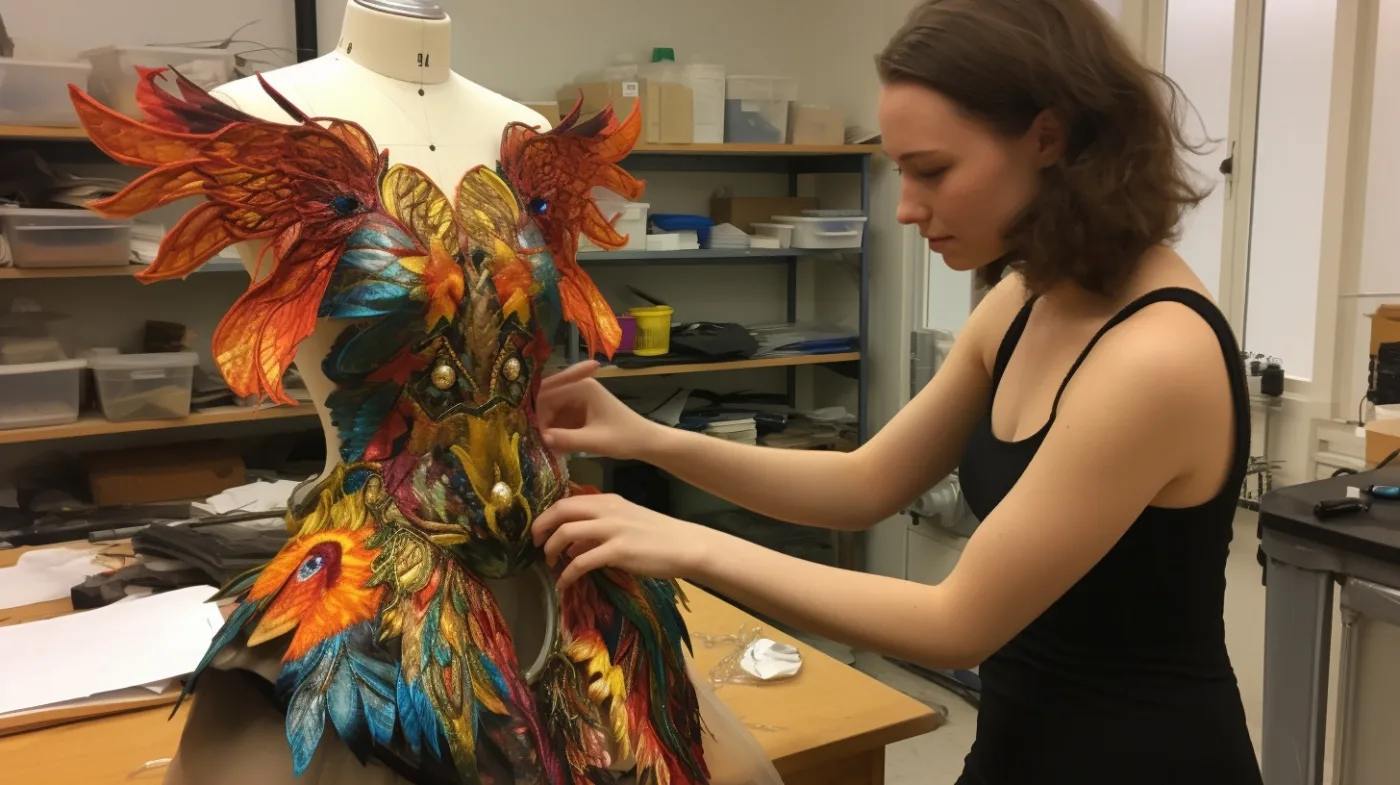
The process of planning, designing, and crafting a cosplay costume can be a therapeutic endeavor in itself. As individuals immerse themselves in the intricate details of costume creation, they often find that it serves as a healthy distraction from the stressors and anxieties of daily life. This creative outlet allows them to channel their focus and energy into a tangible project, providing a much-needed respite from their mental health challenges.
Cosplay requires problem-solving skills, patience, and attention to detail, all of which are essential components of the costume-making process. Whether it’s sewing, prop-building, or makeup application, cosplayers are continuously challenged to improve their skills and overcome obstacles. This sense of accomplishment can boost self-esteem and provide a sense of purpose, counteracting feelings of helplessness that may accompany mental health struggles.
Furthermore, the act of participating in cosplay conventions and events can offer a break from routine and an opportunity for individuals to engage with like-minded peers. These gatherings provide a space where cosplayers can showcase their hard work, enjoy the company of others who share their interests, and revel in the joy of celebrating the characters they love.
Cosplay and Confidence: Boosting Self-Esteem Through Character Portrayal
Many individuals dealing with mental health challenges struggle with self-esteem and self-confidence. Cosplay offers a unique avenue for boosting self-assurance by encouraging individuals to step out of their comfort zones and embrace the characters they admire. When someone successfully embodies a character, whether through costume, makeup, or performance, it can be a transformative experience.
Portraying a character often requires individuals to adopt a different demeanor, embrace a character’s strengths, and showcase their own creativity. This process can lead to a profound sense of empowerment. It allows individuals to see themselves in a new light, recognizing their potential to embody and embrace qualities they may have previously doubted.
Over time, the positive feedback and support from the cosplay community can further bolster self-esteem. Encouragement and recognition from peers validate the effort and dedication that individuals put into their cosplays, reinforcing their sense of self-worth. As self-esteem grows, individuals may become more resilient in the face of life’s challenges, including those related to mental health.
Mindfulness in Cosplay: Focusing on the Present Moment
Cosplay encourages mindfulness by necessitating a high level of attention to detail and a focus on the present moment. Whether it’s meticulously sewing a costume, applying makeup, or perfecting a character’s pose, cosplayers immerse themselves in the task at hand. This level of concentration promotes mindfulness, which can be especially beneficial for individuals dealing with mental health challenges.
Practicing mindfulness through cosplay can lead to reduced stress and anxiety. It allows individuals to temporarily set aside their worries and immerse themselves in a creative process that demands their full attention. As a result, they may experience a sense of relaxation and tranquility, helping to alleviate symptoms of anxiety and depression.
Moreover, mindfulness techniques learned through cosplay can be applied to daily life. The ability to stay present and focused can improve individuals’ overall well-being by enabling them to better manage stress and handle challenging situations with greater composure.
Coping with Anxiety and Depression Through Cosplay
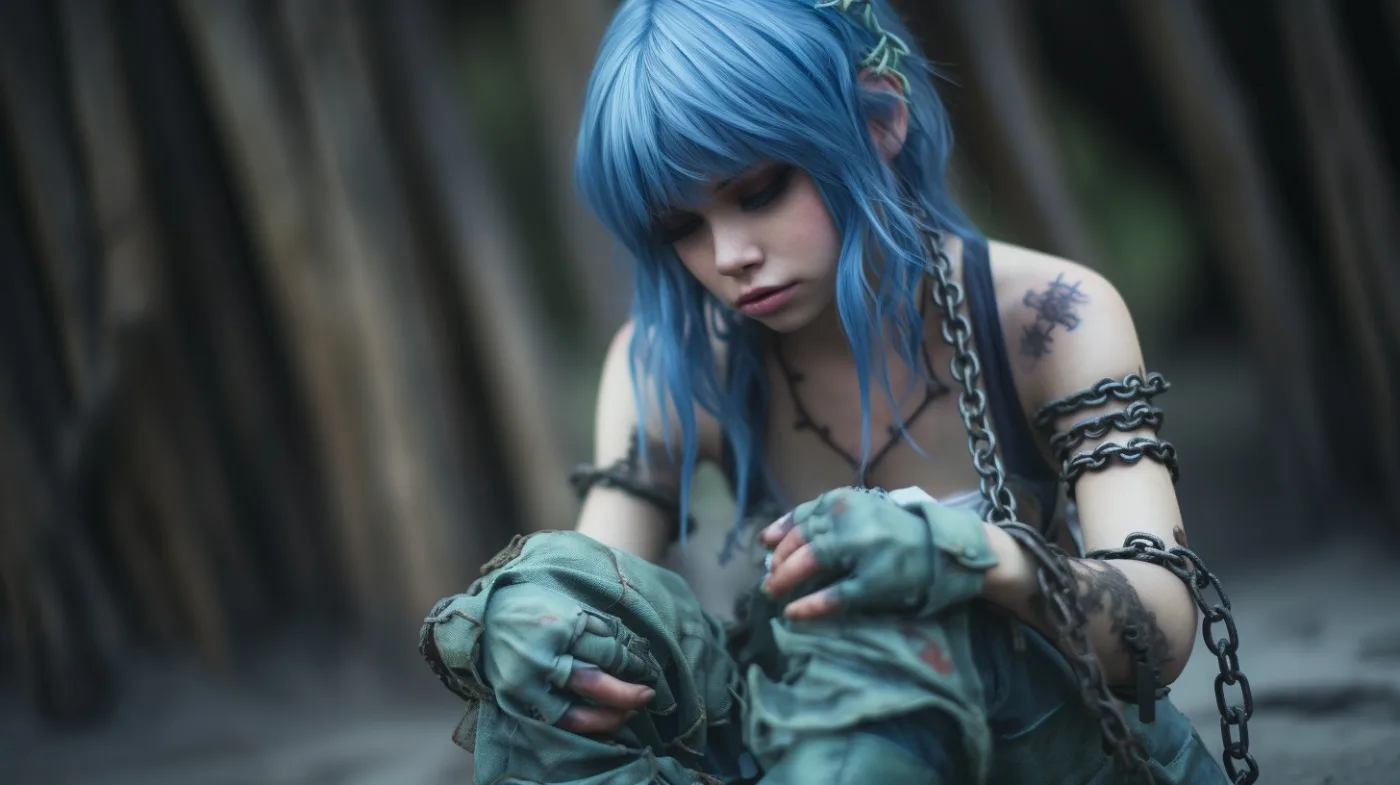
Anxiety and depression are two prevalent mental health challenges that affect millions of individuals worldwide. Coping with these conditions can be a daily struggle, and finding effective self-care strategies is crucial. For many, cosplay has emerged as a source of solace and empowerment in the face of anxiety and depression.
Anxiety
For individuals grappling with anxiety disorders, cosplay can offer a unique means of confronting their fears and pushing their boundaries. Social anxiety, in particular, can be challenging, making it difficult for individuals to engage in social situations or attend events. However, many cosplayers report that cosplaying provides them with the motivation to step outside their comfort zones.
By adopting the persona of a character and immersing themselves in the world of cosplay, individuals with anxiety can experience a sense of liberation. They can interact with others in a different guise, reducing the pressure of social expectations and allowing them to connect with like-minded individuals who share their passion.
Moreover, attending conventions and gatherings related to cosplay can serve as gradual exposure therapy for those with social anxiety. Over time, cosplayers often find themselves becoming more comfortable in social situations, developing social skills, and forming meaningful connections with others.
Depression
Depression can sap individuals of their energy, motivation, and sense of purpose. Engaging in a creative and fulfilling hobby like cosplay can counteract the feelings of lethargy and hopelessness that often accompany depression. The act of planning and creating costumes, setting goals, and celebrating small achievements along the way can provide a much-needed sense of accomplishment.
Additionally, the supportive nature of the cosplay community can be a lifeline for individuals with depression. Encouragement from peers, validation of their efforts, and the opportunity to connect with others who understand their struggles can be incredibly uplifting.
Empowerment and Healing: Cosplay for Individuals with PTSD and Trauma
For individuals coping with post-traumatic stress disorder (PTSD) or trauma, the act of cosplaying can be a powerful form of empowerment and healing. Trauma survivors often struggle with feelings of vulnerability and powerlessness. Cosplay provides them with a means of reclaiming control over their lives and rewriting their narratives.
When individuals with PTSD select characters who have overcome adversity or embodied resilience, they may find inspiration and a renewed sense of strength. Portraying such characters can be a cathartic experience, allowing them to process their own experiences and emotions in a safe and controlled environment.
Furthermore, cosplay can serve as a form of exposure therapy. Individuals may gradually increase their comfort levels by participating in conventions and interacting with others who share their interests. Over time, these experiences can contribute to a sense of mastery and a reduction in symptoms associated with PTSD.
Social Anxiety and Cosplay: A Journey to Social Growth
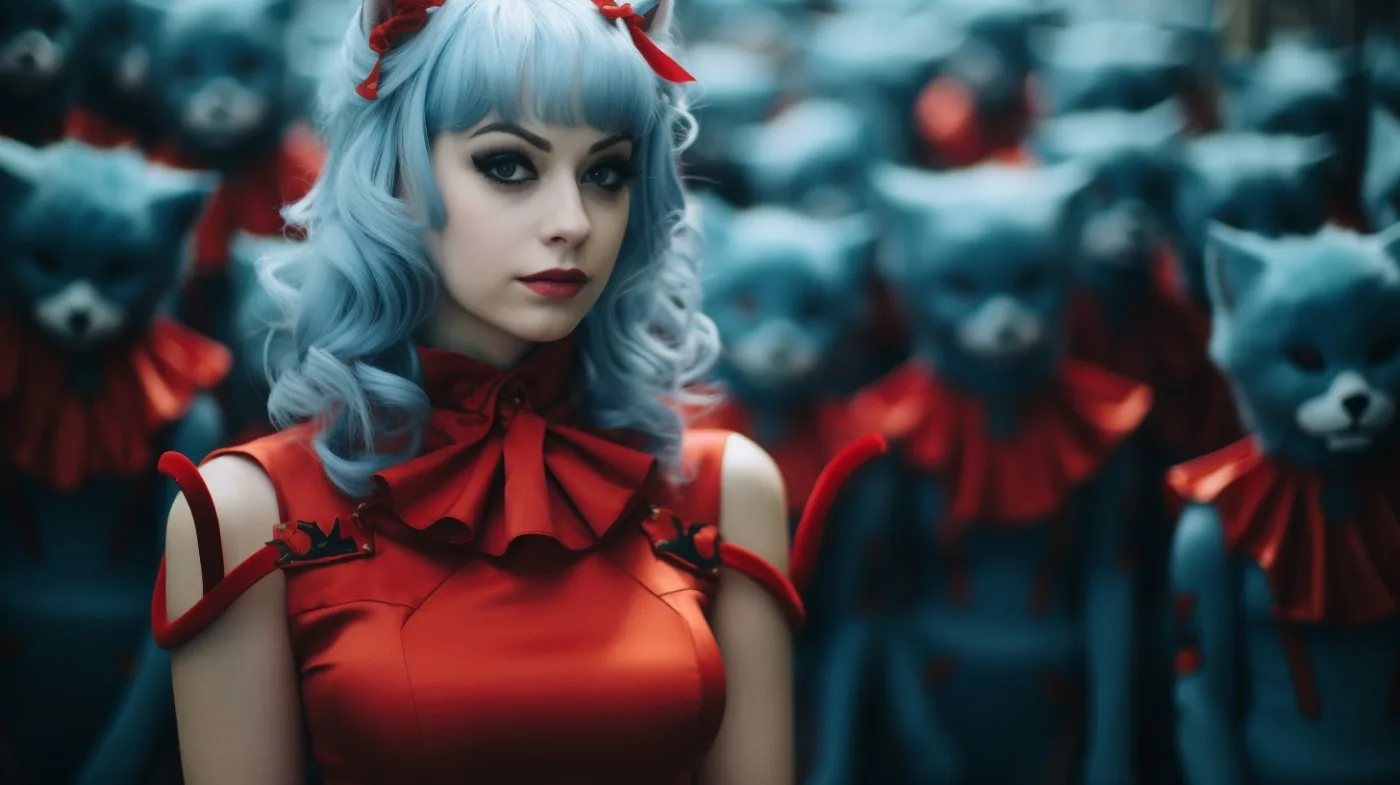
Social anxiety can be particularly challenging for those who desire social connection but find themselves overwhelmed by fear and anxiety in social situations. Cosplay offers a unique path to social growth for individuals with social anxiety.
The anonymity of a cosplay costume can provide a shield that allows individuals to interact with others more comfortably. When in costume, individuals may find it easier to initiate conversations, make friends, and engage in social activities. This gradual desensitization to social situations can be immensely beneficial for those with social anxiety, helping them build social skills and gain confidence.
Moreover, the supportive and welcoming nature of the cosplay community can provide individuals with social anxiety a safe space to practice social interactions without fear of judgment or rejection. Positive interactions within the community can boost self-esteem and reduce social anxiety over time.
Balancing Self-Care: Cosplay as a Complement to Professional Help
While cosplay can offer significant therapeutic benefits and contribute to improved mental health, it’s essential to recognize its role as a complement to, rather than a substitute for, professional mental health treatment. Cosplay can be an integral part of an individual’s self-care routine, but it should be viewed as one aspect of a comprehensive approach to mental health and well-being.
For those dealing with severe or persistent mental health challenges, seeking the guidance and support of mental health professionals is crucial. Therapists, counselors, and psychiatrists can provide evidence-based treatments, therapy, and medication when necessary. Cosplay should be seen as a complementary strategy that can enhance the individual’s overall quality of life.
Professional help can assist individuals in addressing underlying issues, developing coping strategies, and providing a safe space for processing trauma or complex emotions. It’s essential to prioritize mental health care that is tailored to an individual’s specific needs and challenges.
Cosplay can be a valuable tool within this comprehensive approach. By incorporating cosplay into their self-care routine, individuals can benefit from the creative expression, stress relief, and sense of belonging it offers. It can provide a space for individuals to explore their identity, build confidence, and find joy in a supportive community.
The Transformative Potential of Cosplay in Mental Health Care

In conclusion, cosplay is a multifaceted and transformative hobby that has the potential to play a significant role in mental health care and self-care. Through creative expression, self-discovery, and a sense of belonging, cosplayers can find solace and empowerment. For individuals dealing with anxiety, depression, PTSD, social anxiety, and various mental health challenges, cosplay offers a unique avenue for healing and growth.
While cosplay can provide essential therapeutic benefits, it’s crucial to approach it as part of a holistic self-care plan that may include professional mental health treatment. The synergy between self-care strategies and professional help can contribute to improved mental well-being and a more fulfilling life.
Ultimately, the world of cosplay is a testament to the resilience of the human spirit and the power of creativity to transform lives. It fosters a community where individuals can embrace their passions, celebrate their unique qualities, and find strength in their vulnerabilities. Cosplay has the potential not only to enhance mental health but also to inspire individuals to embark on journeys of self-discovery and personal growth.