
Character Analysis
Vegeta’s Journey: From Villain to Antihero in Dragon Ball Z

Dec
In Dragon Ball Z, Vegeta emerges as one of the most complex and compelling characters, embodying a journey from villainy to a nuanced antihero status. Initially introduced as a cold, merciless Saiyan warrior, his character is deeply rooted in the ethos of pride and power. As the series progresses, Vegeta’s character undergoes a profound transformation, marked by themes of redemption, pride, rivalry, personal relationships, and growth. This article delves into the intricate layers of Vegeta’s evolution, examining how his intense rivalry with Goku, the series’ protagonist, serves as a catalyst for change.
Vegeta: The Saiyan Prince’s Journey
Furthermore, it explores the impact of his unexpected relationship with Bulma, which humanizes him in ways few could have anticipated. Vegeta’s role as a father adds another dimension to his character, revealing a depth and vulnerability rarely seen in his early appearances. Through these facets, we witness Vegeta grappling with his pride, seeking redemption, and ultimately experiencing a profound personal growth. This journey not only cements Vegeta as a pivotal figure in Dragon Ball Z but also as an iconic character in the realm of anime, whose transformation resonates with themes of perseverance, change, and the complexity of the human spirit.
Vegeta’s Early Characterization as a Villain
The Ruthless Saiyan Prince
When Vegeta first appears in Dragon Ball Z he is the epitome of a fearsome villain. His introduction during the Saiyan Saga immediately establishes him as a force to be reckoned with. With his imposing presence, unwavering confidence, and ruthless actions, Vegeta embodies the terror of the Saiyan race. His initial goal is clear: to find the Dragon Balls and wish for immortality, a pursuit driven by his inherent Saiyan desire for power and dominance. This early portrayal paints Vegeta as a character driven almost exclusively by self-interest and the pursuit of strength.

Motivations Rooted in Pride and Heritage
Vegeta’s motivations as a villain are deeply intertwined with his Saiyan heritage and the pride that comes with it. Born as a prince to the Saiyan race, a warrior culture that prides itself on conquest and strength, Vegeta is burdened with the expectation of being the strongest. His pride is not just personal but also a representation of his race’s values. This sense of pride is a double-edged sword; it drives him to incredible feats but also blinds him to compassion and empathy. His early disdain for weaker beings and obsession with surpassing others, especially Goku, stem from this ingrained pride.
Early Confrontations with Goku and the Z Fighters
Vegeta’s initial interactions with Goku and the other Z Fighters are marked by hostility and contempt. In his first major battle on Earth, Vegeta displays a mix of arrogance and strategic brilliance. His encounters with Goku, in particular, are pivotal. Seeing Goku, a lower-class Saiyan, challenging and even surpassing his strength, ignites a fierce rivalry. This rivalry becomes one of the core elements of his character development. The disdain he initially feels towards Goku, whom he sees as an unworthy opponent, gradually transforms into a grudging respect and a powerful motivator for his own growth.
In these early stages, Vegeta is a character defined by his lineage, pride, and a relentless pursuit of power. His interactions with the Z Fighters lay the foundation for his complex character arc. The initial portrayal of Vegeta as a merciless antagonist sets the stage for one of the most dynamic and compelling evolutions in the Dragon Ball Z series, as he grapples with his identity, purpose, and the emerging challenges that reshape his path from a villain to an antihero.
The Rivalry That Shaped Him: Vegeta and Goku
Foundations of a Fierce Rivalry

The rivalry between Vegeta and Goku in Dragon Ball Z is not just a clash of power but a deep-seated conflict of ideals, pride, and origins. From Vegeta’s first encounter with Goku, this rivalry becomes a cornerstone of his character development. Goku, a Saiyan of lower birth, continuously challenges Vegeta’s perceptions of strength and hierarchy. This rivalry is fueled by Vegeta’s disbelief and frustration at being surpassed by Goku, who defies the traditional Saiyan norms that Vegeta holds dear.
Fueling the Quest for Power
Vegeta’s rivalry with Goku becomes his primary motivator in his relentless pursuit of power. Each of Goku’s achievements acts as a catalyst for Vegeta, pushing him to train harder and surpass his own limits. This obsession with outdoing Goku is a double-edged sword; it leads to significant power-ups and moments of triumph but also to reckless decisions and defeats. For instance, Vegeta’s willingness to allow himself to be controlled by Babidi, just to gain the power to surpass Goku, highlights how the rivalry can bring out his worst impulses.
Transformation Through Rivalry

However, this rivalry also fosters growth in Vegeta. Initially, it is his envy and pride that fuel his desire to beat Goku, but over time, it evolves into a more complex emotion. Vegeta begins to recognize Goku’s dedication and pure-hearted approach to combat, which starkly contrasts with his own prideful and strategic methods. This realization gradually shifts Vegeta’s perspective, leading him to question his own values and the meaning of true strength.
Instances of Rivalry Pushing Extremes
Throughout the series, several key instances highlight how the rivalry impacts Vegeta. The most notable is during the Majin Buu saga, where Vegeta admits his envy of Goku’s natural talent and carefree nature. This moment of vulnerability showcases Vegeta’s internal struggle and the profound effect Goku has had on him. Similarly, during the Cell saga, Vegeta’s rage and frustration at being overshadowed by Goku and his son Gohan push him to make costly mistakes.
The rivalry with Goku is a driving force in Vegeta’s character arc. It propels him to incredible heights and leads to some of his lowest points. This dynamic not only fuels Vegeta’s quest for power but also facilitates a deeper introspection, ultimately contributing to his transformation from a prideful antagonist to a more nuanced and developed character.
Vegeta and Bulma: An Unlikely Relationship
The Genesis of an Unexpected Bond
Vegeta’s relationship with Bulma in Dragon Ball Z stands as one of the most unexpected and significant developments in his character arc. Initially, the idea of the proud Saiyan prince forming a bond with a headstrong, brilliant Earth woman seemed implausible. Their relationship begins subtly, rooted in a mutual respect for each other’s strengths and abilities. Bulma’s fearless attitude and technological genius intrigue Vegeta, while Bulma finds herself drawn to his unwavering determination and strength.
Humanizing the Saiyan Prince

This relationship plays a pivotal role in humanizing Vegeta. Bulma’s influence begins to soften his harsh Saiyan exterior, revealing layers of complexity and depth previously unseen. She challenges him, not in terms of physical strength, but on an emotional and intellectual level, pushing him to grow beyond the confines of his warrior mentality. Through Bulma, Vegeta experiences care and affection, emotions that were alien to him in his earlier life as a merciless warrior.
Key Moments of Transformation
Several key moments in their relationship highlight the changes in Vegeta. The birth of their son, Trunks, is a monumental event that adds a new dimension to Vegeta’s character. Initially, he struggles with his role as a father, his Saiyan instincts clashing with the new responsibilities. However, as time passes, Vegeta’s affection for both Bulma and Trunks grows, showcasing a softer, more protective side.
Another significant moment is during the Majin Buu saga, where Vegeta, influenced by his love for his family, makes the ultimate sacrifice to protect them. This selfless act, contrasting sharply with his earlier self-centered persona, marks a turning point in his character, demonstrating the profound effect his relationship with Bulma and his family has had on him.
From Pride to Partnership
Vegeta’s journey from a solitary warrior to a family man illustrates a significant evolution. Bulma’s presence in his life introduces him to aspects of humanity such as love, compassion, and family. These experiences temper his pride and arrogance, allowing him to form meaningful relationships and understand the value of others beyond their strength.
In essence, Vegeta’s relationship with Bulma is a catalyst for his transformation, illustrating how love and companionship can bring about profound change even in the most unlikely individuals. Their bond not only humanizes Vegeta but also enriches the narrative of DBZ, adding a layer of emotional depth and complexity to the saga.
Vegeta as a Father: A New Perspective
The Uncharted Territory of Fatherhood
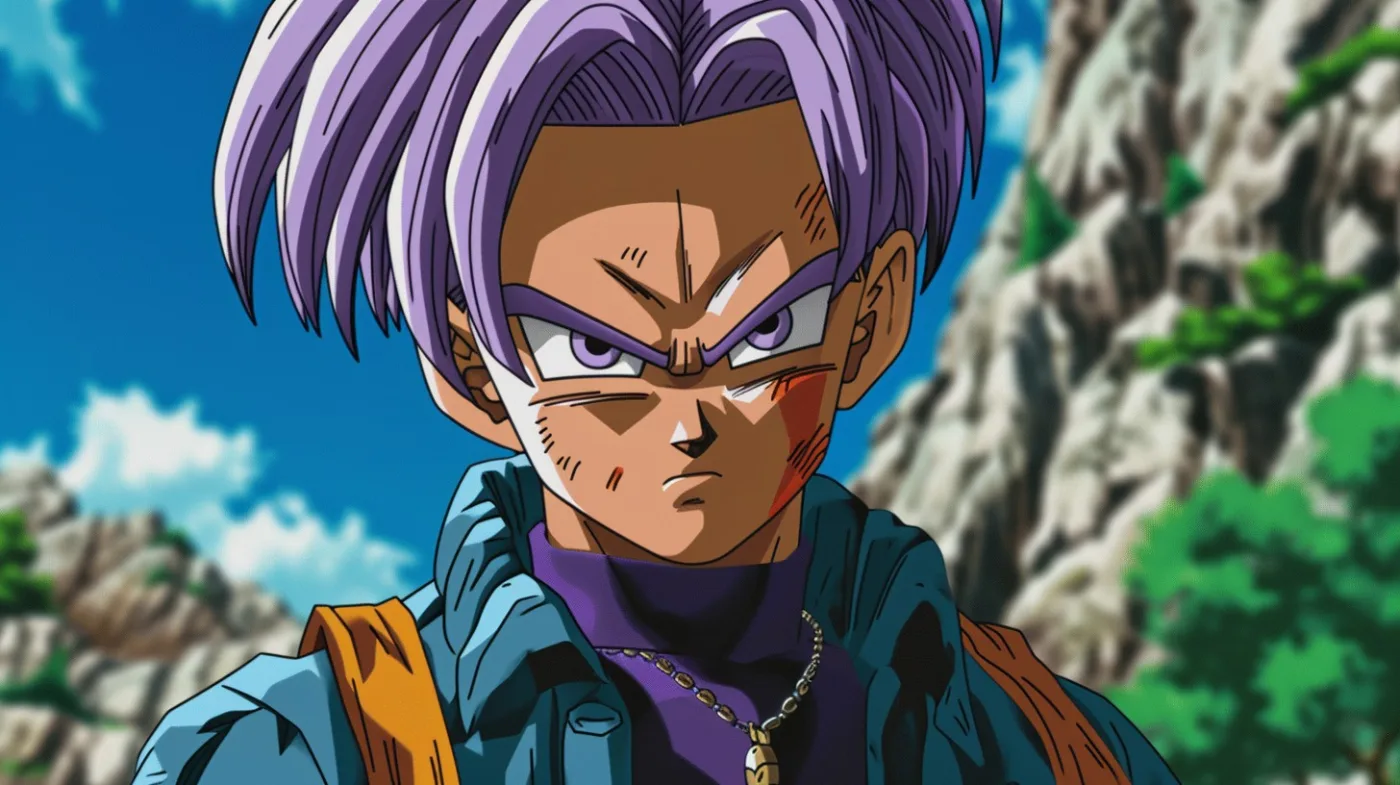
Vegeta’s evolution in Dragon Ball Z takes a significant turn with the introduction of his son, Trunks. Fatherhood is uncharted territory for Vegeta, whose life had been previously defined by battle and conquest. His relationship with Trunks adds a new layer to his character, revealing aspects of him that were once overshadowed by his warrior persona. This new role challenges Vegeta and catalyzes a shift in his priorities and worldview.
From Indifference to Responsibility
Initially, Vegeta’s approach to fatherhood is marked by a certain level of indifference, consistent with his solitary and prideful nature. However, as Trunks grows, Vegeta’s paternal instincts gradually surface. The transformation is subtle yet profound. He begins to show a protective streak towards Trunks, albeit in his own unique, stoic way. This shift signifies a softening of his character, as he starts to value the well-being and future of his son, alongside his own ambitions.
Significant Moments of Change
Several key moments in the series underscore Vegeta’s growth as a father. A poignant example is during the Cell Games, when Vegeta’s rage is ignited after seeing Trunks injured. This emotional outburst, rare for the usually composed Saiyan, is a testament to his deepening paternal bond. Another significant instance is in the Majin Buu saga, where Vegeta acknowledges his affection for Trunks and makes a self-sacrificial move to protect his family and the Earth. This act, steeped in selflessness, is a stark contrast to the self-centered warrior he once was.
The Impact of Fatherhood on Vegeta’s Character
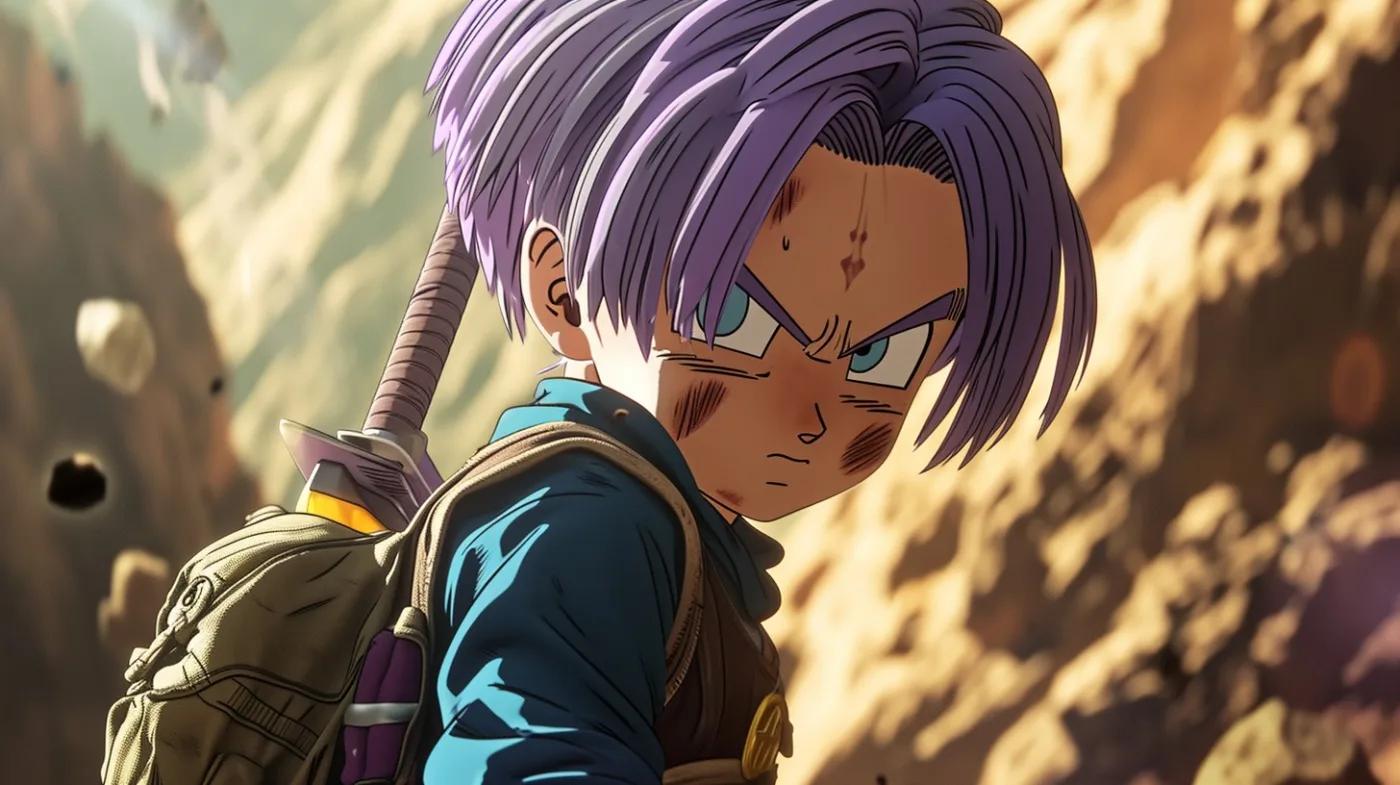
Fatherhood contributes significantly to Vegeta’s transition from a villain to an antihero. His role as a father introduces a sense of responsibility that extends beyond himself. It humanizes him, making him relatable and sympathetic. This development is crucial in softening his character, allowing audiences to see a different side of the Saiyan prince. Vegeta’s journey in fatherhood is not without its struggles, but it is these very struggles that enrich his character, providing depth and complexity to his arc.
Vegeta’s role as a father is a cornerstone in his transformation in Dragon Ball Z. It shifts his perspective from a solitary warrior to a protector and a family man. These changes in his character are integral in shaping his journey and contribute to the broader narrative of redemption and personal growth within the series.
Themes of Redemption and Pride
Vegeta’s Struggle with Redemption
In Dragon Ball Z, Vegeta’s arc is a compelling narrative of redemption, entwined with his unwavering Saiyan pride. His journey from a cold-hearted villain to a respected antihero is marked by his continuous struggle to reconcile his past actions with a growing sense of morality. The theme of redemption in Vegeta’s story is complex; it is not about seeking forgiveness from others but about a personal journey towards self-acceptance and transformation.
The Evolution of Saiyan Pride
Pride, particularly Saiyan pride, is a defining trait of Vegeta’s character. Initially, this pride is depicted as arrogance and a sense of superiority. However, as the series progresses, Vegeta’s pride undergoes a transformation. It becomes less about proving himself the strongest and more about honoring his heritage and protecting those he cares about. This evolution of pride is critical to Vegeta’s redemption. It shifts from a destructive force to a source of strength and motivation that does not rely on diminishing others.
Key Scenes of Redemption and Pride
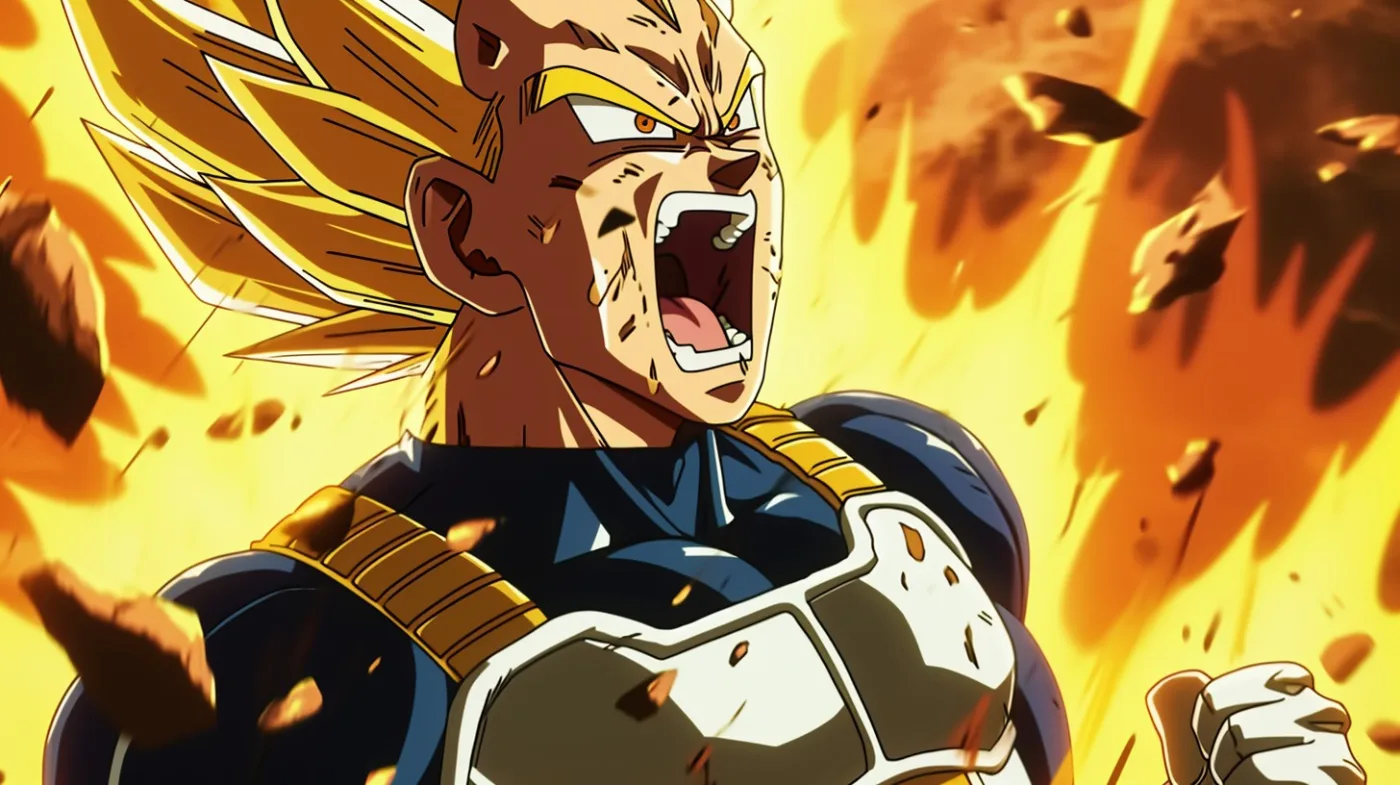
Several key scenes in DBZ epitomize Vegeta’s journey towards redemption while maintaining his pride. A pivotal moment is during the Majin Buu saga, where Vegeta sacrifices himself to save Earth. This act of self-sacrifice, once anathema to his character, highlights his shift from selfish pride to a pride that encompasses the well-being of others.
Another significant moment is when Vegeta admits to Goku that he is the better fighter during the final battle with Majin Buu. This acknowledgment, coming from a character who has always been driven by the need to be the best, is a powerful testament to his growth. It shows a Vegeta who can recognize the strengths of others without feeling diminished himself.
Balancing Pride with Growth: Vegeta’s Redemptive Arc
Vegeta’s journey in DBZ is a nuanced exploration of redemption and pride. His character development is a testament to the possibility of change, even for those who seem irredeemable. Vegeta teaches us that pride, when channeled positively, can be a force for good, and that redemption is less about erasing the past and more about growing beyond it. His story is not just one of a warrior, but of a man learning to balance his pride with humility, responsibility, and care for others.